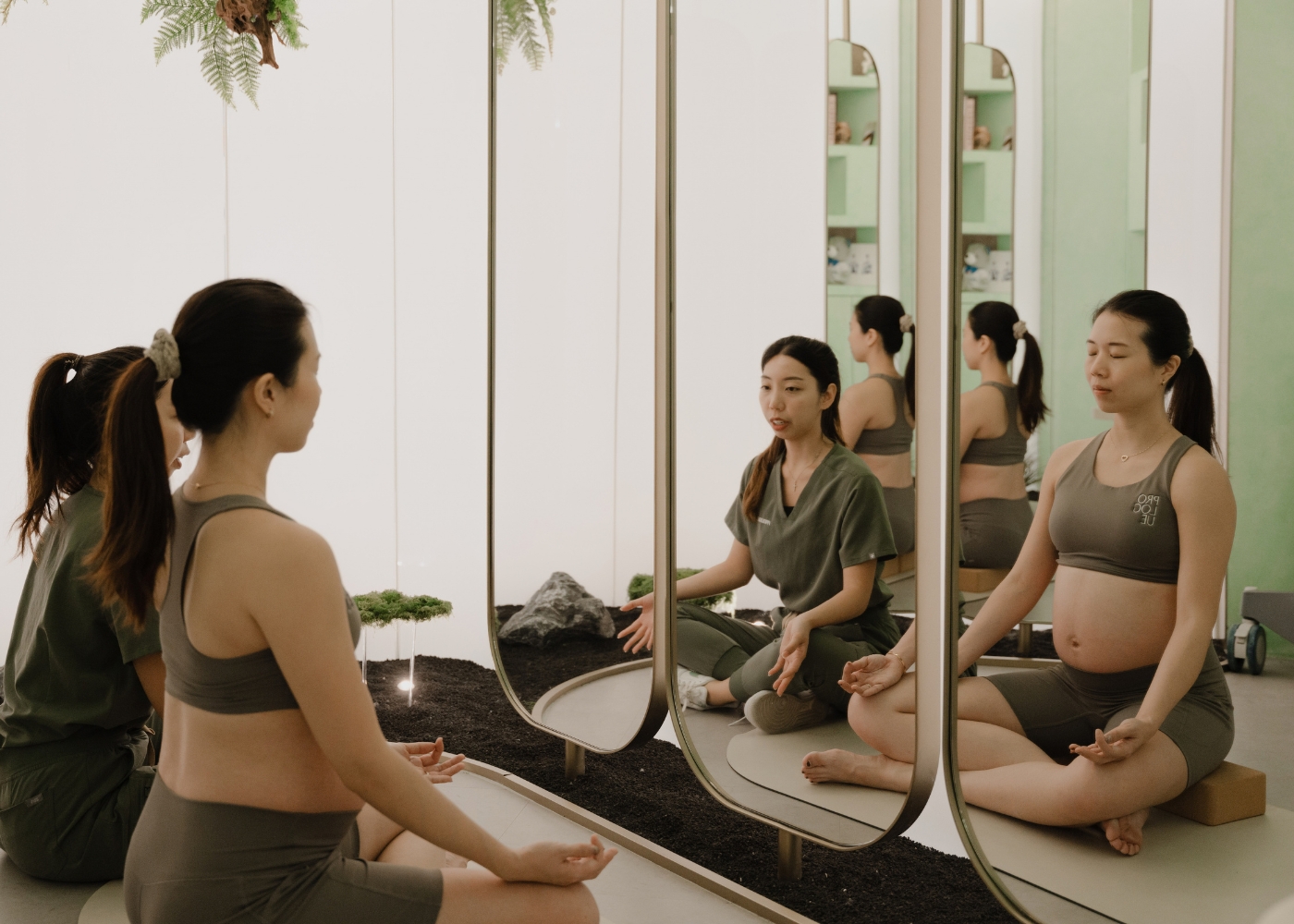
Your burning questions on postpartum recovery answered: From stubborn lower belly pooch to leaky bladder

Between caring for your newborn and dealing with a truckload of physical, emotional and hormonal changes, let’s face it: motherhood and postpartum recovery is a lot to deal with. First-time mum or not, this six to eight-week healing process is not an easy-breezy one. With so much talk on postpartum care – which food and activities to avoid, how to get back to your optimal health quickly, and more – we’re here to help clear the air.
We’ve rounded up some of the most pressing questions on postpartum recovery, and turned to an expert from Prologue Centre for Women’s Wellness for their insights. As one of Singapore’s leading women’s wellness centres, Prologue specialises in the realms of postpartum and women’s health (including menopause) to help women better understand and care for their changing bodies. Scroll on as chief operations officer at Prologue Centre for Women’s Wellness, Cheryl Han, reveals the answers to all your burning questions.
Postpartum recovery: Answers to your burning questions
1. Why does my stomach still bulge months after giving birth?
Cheryl shares that it is normal to notice a rounded lower belly bulge post-birth. During pregnancy, your hormones adjust to relax your muscles, and your abdominal muscles naturally separate to allow space for the baby to grow. After giving birth, it takes time for the body to recover. This is why the team at Prologue Centre for Women’s Wellness only recommends coming for a postpartum check six to eight weeks after giving birth.
“In some instances, the tummy bulge could be weight gain or bloating. But, it could also be a case of the muscles around the abdominal area remaining separated. This partial or complete separation of the abdominal muscles is what’s known as diastasis recti,” she shares.
A common tell-tale sign of diastasis recti? Having loose skin around the belly button and tummy area, coupled with weak core muscles or incontinence, where the muscles around the pelvic floor are impacted.
2. Is diastasis recti just a cosmetic issue?
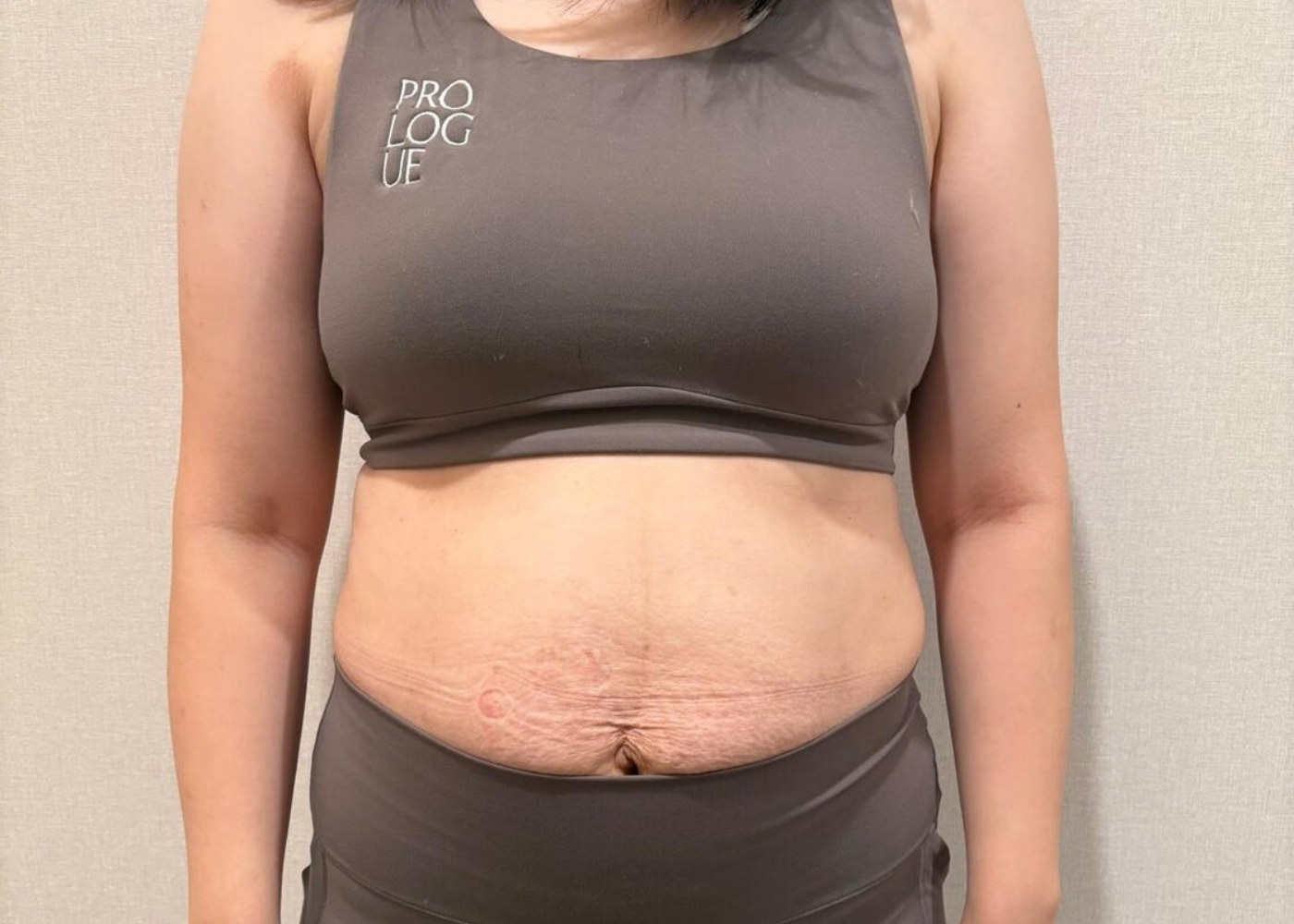
The short answer is that diastasis recti is both a functional and cosmetic issue. Visually, diastasis recti often comes with stretch marks or loose skin on the stomach. This can vary from slight ‘crumply-looking’ skin to a persistent overhang or a dome-shaped stomach.
This appearance reflects the functional issue beneath: due to weaker core muscles, new mums find themselves dealing with issues like back aches when carrying their baby, and pelvic floor weakness that leads to incontinence.
Cheryl says that there can also be an emotional side to diastasis recti. “After pregnancy and childbirth, many women find their body unfamiliar, and no longer as connected to themselves. Such changes to their abdomen, pelvic floor and breasts can affect how they see themselves and how confident they feel in their own body.”
“When we look at postpartum recovery, it is important to consider not just how the body looks, but also how a woman feels in and moves through her body,” she adds.
3. Will my diastasis recti close on its own over time?
This depends on the severity of the diastasis recti. In mild cases, it can be managed with guided, appropriate exercises to rebuild the core. But here’s a heads-up: the accompanying loose skin will likely not be fixed with only exercise.
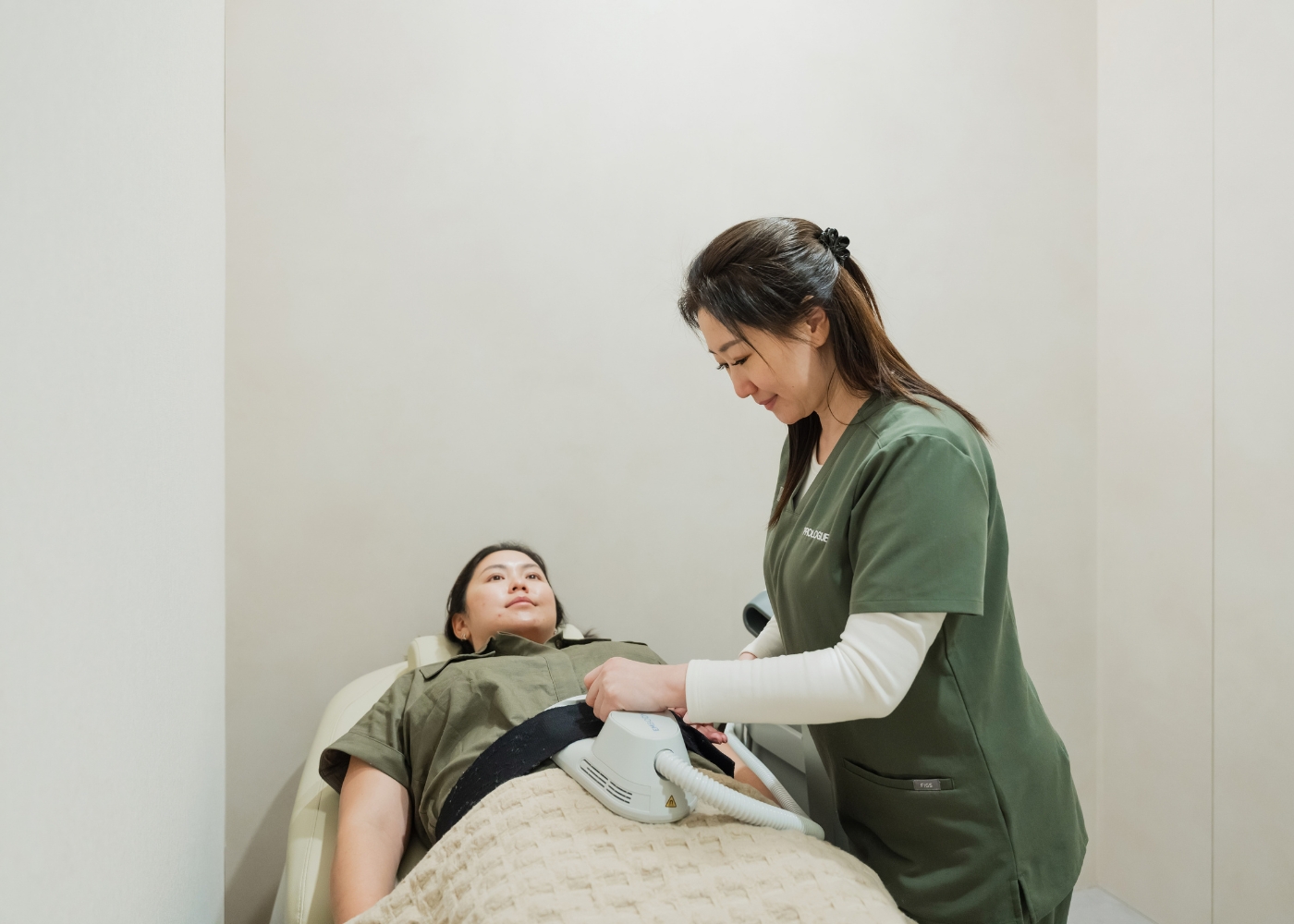
In more severe cases, Cheryl recommends early intervention to prevent further worsening of the condition. “Having your core assessed by a specialist can help you understand what you actually need, rather than assuming that surgery or more invasive treatments are necessary,” she shares.
The treatment needs to be personalised to each woman, based on her body’s recovery and unique experience. This is also why the Prologue Centre for Women’s Wellness developed The Prologue Method. Through a comprehensive assessment, every woman will be recommended personalised care and evidence-based treatments where appropriate.
4. Why do I leak when I laugh, sneeze or work out?
While it is common for new mums to experience involuntary urinary leakage, Cheryl cautions that it isn’t normal. “Leaking while laughing, sneezing, coughing or working out is what we term as Stress Urinary Incontinence (SUI), where increased pressure inside the abdomen overwhelms the pelvic floor and supporting structures,” she explains.
SUI is particularly common after pregnancy and childbirth, but some mums are more susceptible than others. The latter includes those who experienced leakage during pregnancy, have had previous births, had a vaginal or instrumental delivery, or had larger babies. Age, a higher BMI (body mass index) and certain birth-related injuries are also contributing factors.
5. How long does it take for postpartum skin to regain its natural elasticity?
When it comes to postpartum skin, Cheryl shares that there’s no fixed recovery timeline. Pregnancy stretches the skin and affects its connective tissue, while hormonal changes after delivery can also influence its hydration, texture and appearance.
How much one’s skin changes and recovers can vary based on factors such as genetics, the degree of stretching, age and how quickly the body changes after birth. It is therefore more useful to think of postpartum skin recovery as a gradual process rather than a deadline. Some changes may soften over time, while others, such as stretch marks and skin laxity, may remain to some degree.
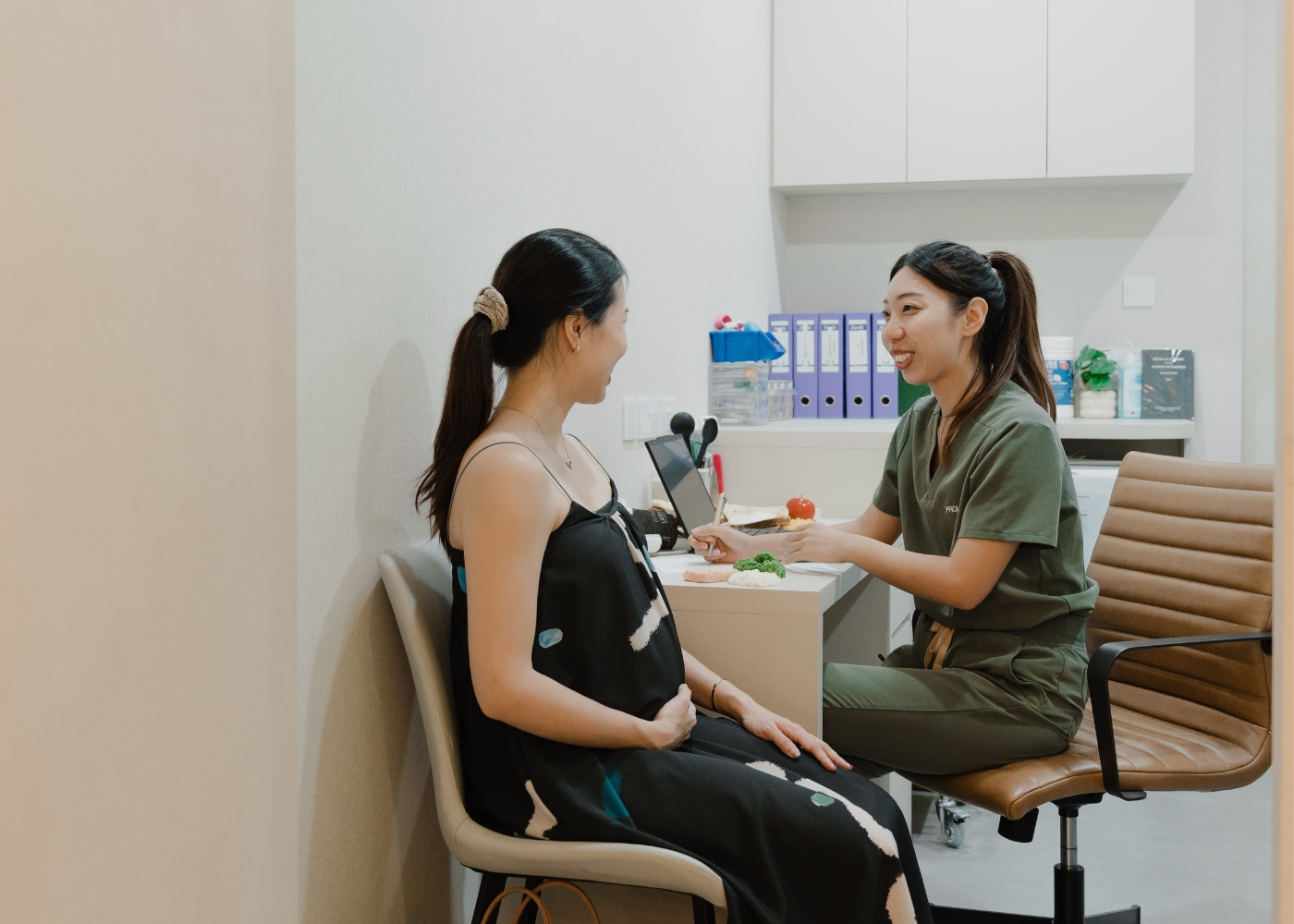
Cheryl suggests looking at postpartum skin through a different lens. “Rather than looking at it as something that needs to return exactly to how it was before having a baby, we can think about supporting the skin through the different stages of a woman’s life. Pregnancy is one of them, but skin naturally changes with age too – particularly as women approach perimenopause and menopause, when hormonal changes can affect collagen and skin structure.”
For women who are keen on additional support, Prologue offers body and aesthetic treatments that can be tailored to the type of change they are experiencing. By tackling concerns around body contouring, skin tightening or skin quality, these treatments help support skin health and collagen as the face and body continue to change with age.
6. Is a postpartum checkup necessary?
The answer is a resounding yes! Not only is a postpartum checkup an opportunity to check whether a new mum has healed well from the delivery, but it is also a chance to look at how one is adjusting to life with a newborn.
Some key aspects of a postpartum checkup include physical recovery (any ongoing pain, urinary or bowel leakage, pelvic floor symptoms and the like), sleep and mood (persistent exhaustion, anxiety and baby blues are worth sounding out), as well as nutrition and overall well-being.
“Ultimately, postpartum recovery is not a single milestone that you pass or fail,” Cheryl stresses. “It is a process, and what you need can change as your baby grows and as you return to work, exercise and your usual routine.”
Postpartum recovery tailored to your unique needs
While the postpartum journey is no walk in the park, being armed with the right information and expertise can go a long way in supporting your recovery. Specialised women’s wellness centres, such as Prologue Centre for Women’s Wellness, can bring integrated and holistic care for those navigating postpartum.
Through evidence-based care and advanced wellness technologies, Prologue offers non-invasive solutions for common conditions (think diastasis recti, urinary incontinence and pelvic floor weakness), as well as intimacy concerns like vaginal dryness that tend to fly under the radar.
Prologue’s expertise extends beyond postpartum to cover other women’s health-related concerns, including menopausal health. All treatments are said to be holistic, personalised and ever-evolving with your needs as you move through different stages of life.
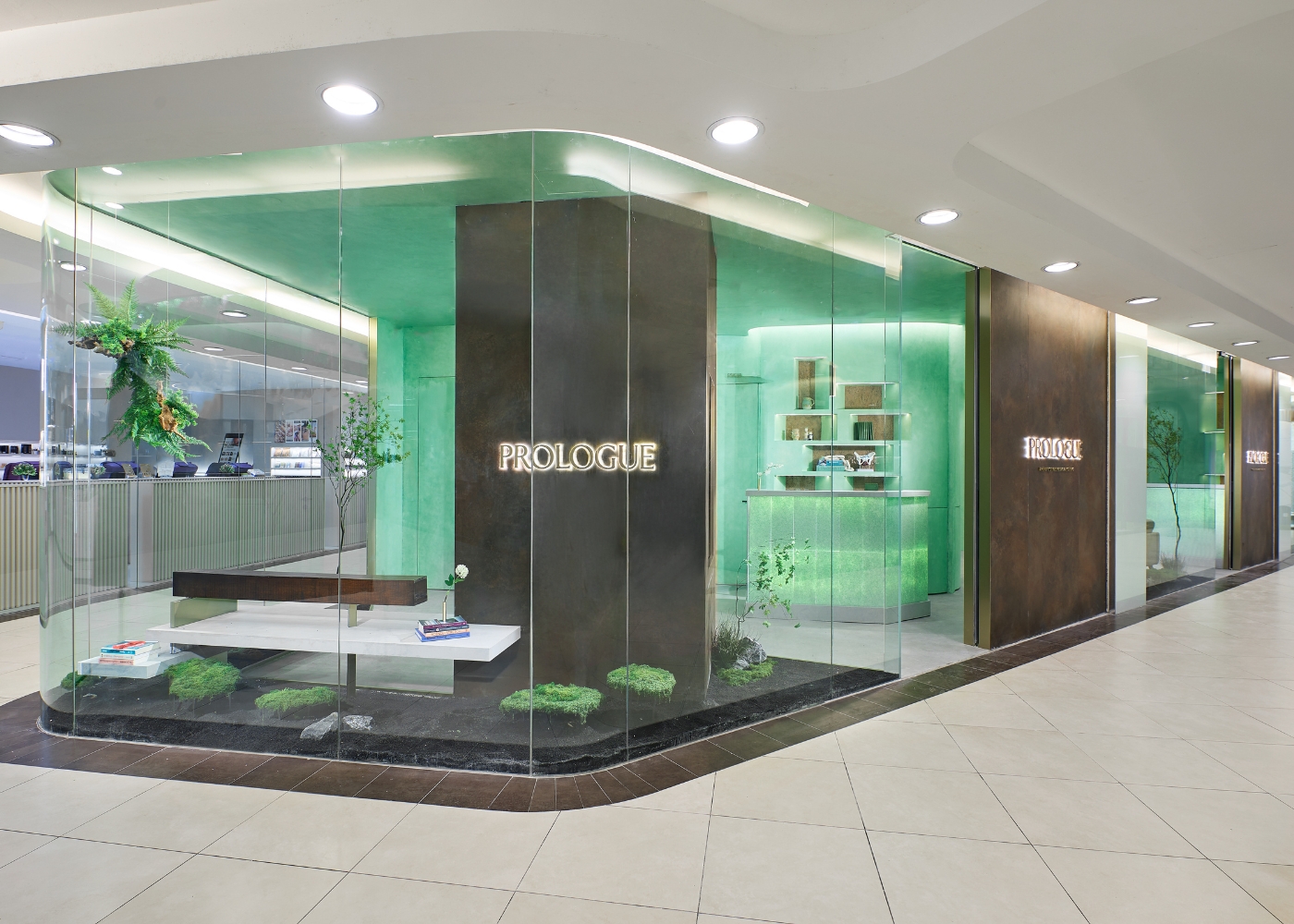
Besides women’s health, its sister brand Prologue The Lifestyle Medical Clinic also specialises in other areas of wellness. These include longevity and health screenings, aesthetic services, women’s health services such as pap smears, hormonal tests and mammograms, and early cancer screenings.
Whether you’re new to motherhood or welcoming another addition to your family, take this as your sign to reach out for tailored help to make your postpartum journey smoother.
This post is in partnership with Prologue Centre for Women’s Wellness.
Important notice: This paid content is for general information and should not be considered medical advice or an endorsement of the aforementioned services by Honeycombers and HoneyGlow. While we strive for accuracy, medical conditions vary, and the treatments mentioned may not suit everyone. Consult a qualified healthcare professional for personalised medical guidance.