
The wellness platform for women who want answers.
HoneyGlow is a women’s wellness platform by The Honeycombers, created to help women in Singapore make sense of health, hormones, beauty, longevity and wellbeing through evidence-backed information, practitioner insights and honest conversations.
Somewhere between burnout culture, wellness trends and late-night Googling of mysterious symptoms, women have been left trying to decode their own bodies with far too little reliable support.
And frankly? Women deserve better.
We created HoneyGlow for women who are tired of wellness content that feels vague, fear-driven or quietly trying to sell them something. Women who want credible information, real experts, nuanced conversations and practical advice that actually makes sense in real life.
Just smart, accessible wellness content grounded in research and guided by qualified practitioners.
Why HoneyGlow exists
For decades, women’s health has been under-researched, underfunded and misunderstood.
Women were historically excluded from clinical research for years. Symptoms of heart disease still present differently in women than in men. Conditions like endometriosis and perimenopause remain widely misunderstood, underdiagnosed or dismissed entirely.
At the same time, the wellness industry exploded.
Into the gap rushed an endless stream of influencer advice, miracle supplements, contradictory hormone hacks and “experts” with no real qualifications. Somewhere along the way, wellness became louder, shinier and more confusing than ever.
Women have been conducting their own research, comparing symptoms, paying for tests they don’t fully understand, and wondering whether feeling exhausted all the time was normal.
HoneyGlow exists to close that gap. We believe women deserve evidence-backed health literacy that feels empowering, not overwhelming.
What we cover
HoneyGlow is built around the topics women told us matter most to them.
- Restoration – Hormones after 35, gut health, nutrition, supplements, metabolic health, perimenopause and understanding what your body is actually trying to tell you.
- Radiance – Skin from the inside out, longevity, energy, ageing well and feeling good without chasing impossible beauty standards.
- Regulation – Stress, burnout, nervous system health, sleep, emotional wellbeing and why so many women feel permanently “wired but tired”.
What makes HoneyGlow different
We are not influencer-led. We are not only about aesthetic wellness. And we are not here to disguise selling as education.
Everything we publish is built around credibility, clarity and trust.
That means:
- Practitioner-led content with named credentials
- Evidence-backed reporting and cited research
- Nuanced conversations instead of wellness extremes
- Practical insights over perfection
- Education without preachiness, fear-mongering or shame
A note from our founder
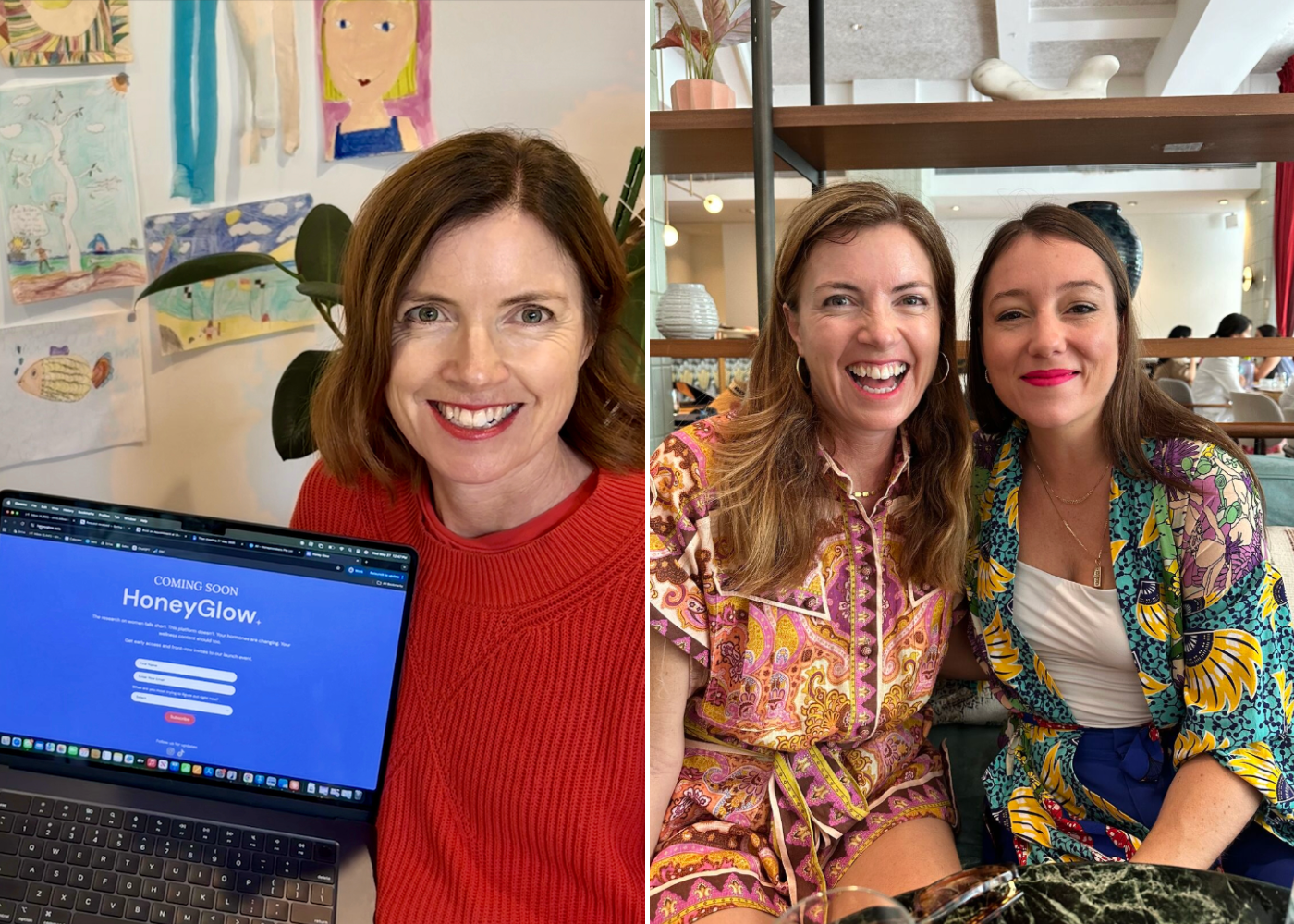
HoneyGlow started long before it had a name. For years, our founder Chris Edwards carried the same question: why isn’t there a dedicated space where women can access intelligent, trustworthy information about their own bodies? Then the question became personal.
“For most of my life, I was the healthy one. Then I hit my 40s.
Vertigo so bad I couldn’t drive. Anxiety that arrived out of nowhere. A frozen shoulder. PMS so extreme I genuinely thought I was losing my mind. Hot flushes. Nights where sleep simply didn’t happen.
So I did what you’re supposed to do. I saw doctors, osteopaths, chiropractors, specialists and more doctors. One of them looked at my symptoms and suggested I get assessed for ADHD.
I wasn’t losing my mind. My body was changing, and almost no one around me could explain what was happening, or why.
And here’s the thing: I’m one of the lucky ones. I have resources, contacts, and 17 years of knowing how to dig for an answer. If it was this hard for me, what about everyone else?
Women’s health still doesn’t get the same airtime, the same funding, the same seriousness as men’s. These aren’t rhetorical flourishes. They’re documented facts.
In the US, women were excluded from clinical trials from 1977 until 1993, and drugs were largely tested on men’s bodies and prescribed to everyone. When researchers later reviewed prescription drugs pulled from the US market, eight out of ten were found to be more dangerous for women. Heart disease is the number one killer of women globally, but because men’s symptoms were studied, women under 55 are up to seven times more likely to be sent home from the ER without the right tests. Endometriosis affects 190 million women and still takes an average of seven to ten years to diagnose.
The medical system has underserved women, and we are caught in the middle.
I’ve spent 17 years building Honeycombers into one of Southeast Asia’s most trusted lifestyle media brands. We’ve covered restaurants, hotels, schools, fashion and just about every corner of life in Singapore, earning millions of readers’ trust by being honest, independent and useful.
When we surveyed our own audience, the message was unmistakable: 43% told us they only trust wellness accounts backed by real experts, and their number one frustration was fake experts and constant selling.
I’ve built media long enough to know when a gap is real. This one is real, and I’ve lived it.”
This is your invitation to ask better questions
Whether you’re navigating hormone changes, burnout, brain fog, gut issues, sleep struggles, skincare concerns, or simply trying to feel better in your body again, HoneyGlow exists to help you cut through the noise.
Your hormones are changing. Your wellness content should too.
Join the HoneyGlow community
Subscribe for evidence-backed wellness stories, honest conversations, expert insights and future events designed for women who want answers, not algorithms.
Follow us on Instagram: @honeyglow.sg
Sources
- Exclusion of women from US clinical trials (1977–1993): FDA’s 1977 policy excluding women of childbearing potential, ended by the NIH Revitalization Act of 1993 — NIH Office of Research on Women’s Health, “History of Women’s Participation in Clinical Research”.
- Eight of ten withdrawn drugs more dangerous for women: U.S. Government Accountability Office, GAO-01-286R, “Drug Safety: Most Drugs Withdrawn in Recent Years Had Greater Health Risks for Women” (January 2001).
- Women under 55 up to seven times more likely to be sent home from the ER: Pope JH et al., “Missed Diagnoses of Acute Cardiac Ischemia in the Emergency Department,” New England Journal of Medicine (2000).
- Endometriosis affects 190 million women (≈10% of reproductive-age women); diagnosis commonly takes 7–10 years: World Health Organization, “Endometriosis” fact sheet.