
Your body after 35: The changes no one told you

At some point in your late 30s, something quietly shifts. You wake up more tired than when you went to bed. Your jeans fit differently despite nothing obviously changing. One glass of wine on a Friday night has you writing off the entire weekend. Recovery takes longer. Focus feels fuzzier. Sleep, that thing you used to do without thinking, starts to feel like a skill you’ve mysteriously lost.
You’re not imagining it. And it’s most certainly not a failure of willpower or discipline. Your body is going through real, measurable changes, and we’re here to tell you you’re not alone.
Your energy isn’t what it used to be
The most common complaint women in their late 30s report is a general sense of running on less. Energy that used to feel reliable starts to wobble. You push through a hard week and don’t bounce back the way you expect. You hit 4pm and feel a fog rolling in that coffee doesn’t quite lift anymore. Spoiler: It may not be that life got busier.
From your mid-30s, the body’s cellular energy production becomes less efficient. Your body starts working slightly harder for slightly less output. Recovery from exercise, stress, and late nights takes measurably longer.
ET, 37, noticed she couldn’t keep late nights the way she used to. She manages with sleep when she can, caffeine when she can’t, and a blend of supplements and lifestyle tweaks with mixed results. Crystal, 37, describes a cluster of things arriving at once: constant fatigue, more muscle aches, and a slower overall pace. She’s tried caffeine, Pilates, and massages, but the relief is mostly temporary.
The truth is that your body now needs more intentional recovery than it used to. Just like your bank revising its savings interest rate again, it’s your physiology updating its T&Cs… again.
Sleep changes, but sadly not in your favour
If you’ve started waking at 3am with a brain that absolutely refuses to stand down, welcome to the club. Beyond 35, deep, restorative sleep becomes harder to reach and easier to disrupt. You may find yourself waking earlier, struggling to fall back asleep, or feeling like you slept eight hours and got credit for four. Alcohol, which many people use as a sleep aid, fragments sleep architecture, and the effect becomes more noticeable after 35.
The chants that wellness gurus have been going on and on about consistent bedtimes, a cooler room, and yada yada? Boring advice, but they matter more now than ever.
The weighing scale is faulty…right?!
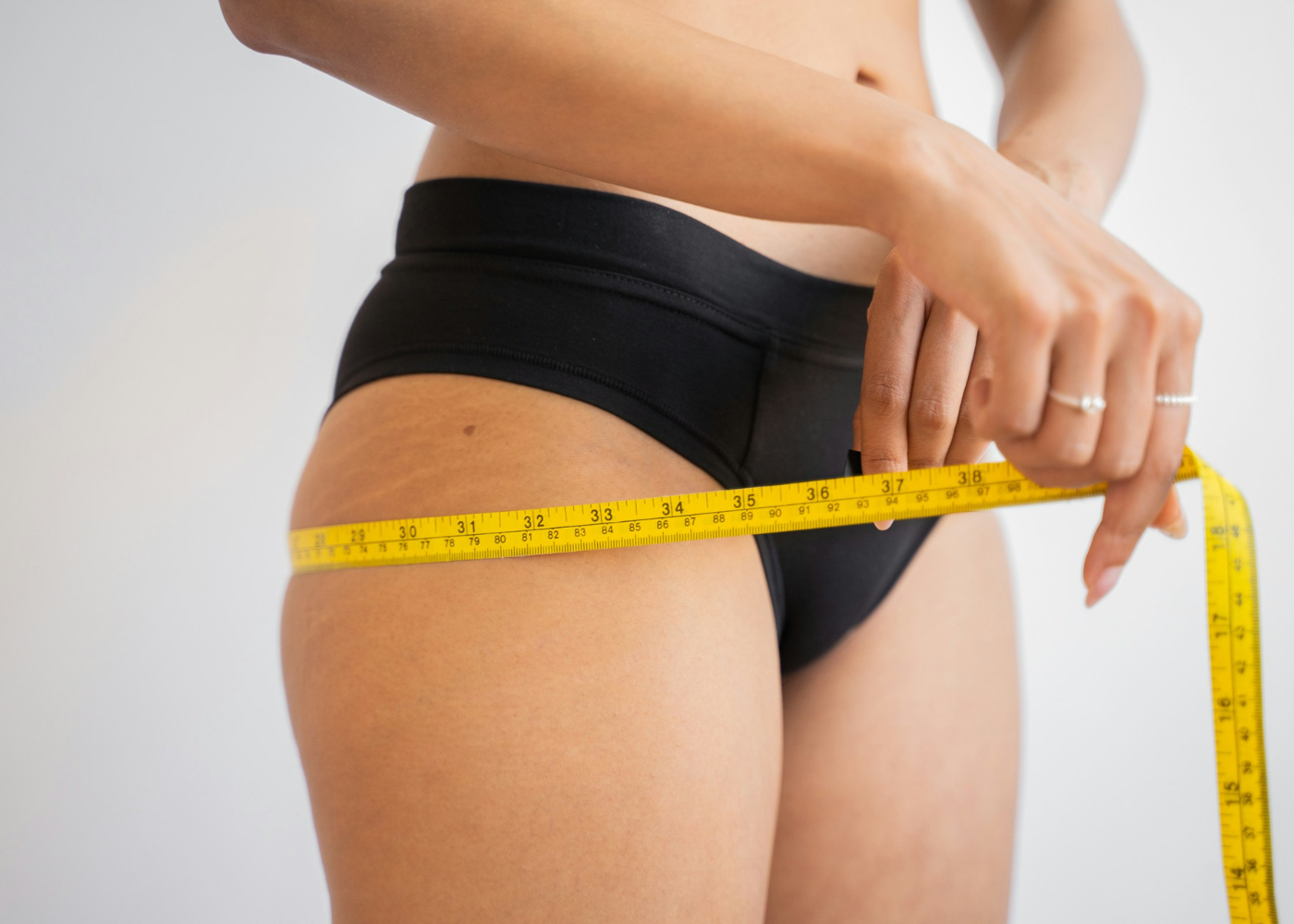
Same food, same routine, but weight gathering differently, particularly around the midsection… in a way it never quite did before. Or the scale not moving despite following the golden rule of calorie output greater than calorie input.
But the thing is, muscle mass naturally begins to decline from the mid-30s. Since muscle burns more energy at rest than fat does, metabolism shifts accordingly. Yan, 37, puts it plainly: “I’m getting fat more easily even though my diet is the same.” She tried eating even less and moving more. It didn’t quite work, and there’s a reason for that.
Strength training and protein become increasingly important at this stage — not just for gym goals, but for holding onto the muscle mass that keeps metabolism humming. More importantly, the scale is a poor proxy for what’s actually happening. Energy, strength, and how you feel day to day are better metrics for your overall well-being.
Your skin is keeping a different kind of score
Skin changes after 35 tend to sneak up on you: dryness that wasn’t there before; slower healing from breakouts or blemishes; a loss of the plumpness you probably didn’t appreciate at the time.
Dr Harvey Ho, Medical Director of Skinscape Clinic, notes that collagen production slows and existing collagen breaks down faster, while the skin’s natural hydration and barrier function decrease. The result, he describes, is skin that “feels drier, less resilient, and is slower to recover.”
The instinct to fix this with more actives and more steps often backfires. “The skin tends to tolerate less, not more,” Dr Ho says. The smarter move is a shift towards hydration and barrier support — think hyaluronic acid, ceramides, niacinamide, and consistent sunscreen.
These shifts can trace back to hormones
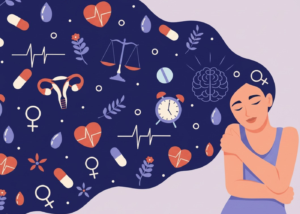
Here’s the part that may come as a surprise: You can probably blame what’s described above on hormonal changes. In your late 30s, oestrogen, progesterone, and testosterone start fluctuating, and those shifts ripple through basically every system: sleep, metabolism, mood, skin, energy… All of it.
It is what is known as perimenopause, and no, it’s not a 50s thing.
As Zangcai Huang, Head of Nursing, Clinical Governance Officer at Allium Healthcare, puts it, menopause is a single moment, the point after 12 consecutive months without a period. Everything before that is perimenopause, where most of the symptoms, and the confusion, actually live.
Stephanie Ambrose, Head of Medical and Regulatory Affairs at Novo Nordisk Singapore, explains the metabolic piece specifically: “The hormonal shifts that occur at this stage of life, particularly changes in oestrogen, influence how the body stores fat, how it uses energy, and even how signals of hunger and fullness are regulated.” Weight changes during this phase aren’t a discipline problem. The body’s biology has shifted, and the old playbook stops working because the game has changed.
Work with your body, not against it
There is nothing wrong with your body. It’s a transition. And like most transitions, it goes better when you understand what’s happening rather than finding faults with yourself.
If the changes are affecting your quality of life — sleep, work, relationships, day-to-day functioning — it’s worth seeing a doctor sooner rather than later. Huang is clear on this: “I always encourage women not to wait until symptoms become unbearable.”
Options range from Hormone Replacement Therapy, now considered safe and effective for many women, to non-hormonal and complementary approaches. What works depends on the individual, but getting proper guidance earlier helps you understand your body and make a difference now and for long-term health.
Your late 30s and beyond can feel good — not despite the changes, but because you finally know how to work with them.
Important Notice: This article is for general information and should not be considered medical advice. While we strive for accuracy, medical conditions vary, and the treatments mentioned may not suit everyone. Consult a qualified healthcare professional for personalised medical guidance.