
Bioharmonising tips: Why women’s health is more than diet and exercise

There was a time when health advice seemed wonderfully straightforward. Eat nourishing food. Move your body. Sleep well. Spend time with people you love. The funny thing is… I don’t actually think that advice was wrong. Somewhere along the way, though, we convinced ourselves it wasn’t enough. So we started adding more supplements, more trackers, more protocols, more hacks and more optimisation.
Yet despite knowing more about health than ever before, many women still feel exhausted, wired, inflamed and disconnected from their own bodies. As a gerontologist and longevity expert, I don’t think the answer is another trend.
I think we’ve forgotten something much more fundamental. Health isn’t built by perfecting one habit. It’s built when the basics work together in harmony. That’s what I call Bioharmonising.
Bioharmonising: Why women’s health is an ecosystem, not a checklist
This is where the idea of bioharmonising emerged for me. Not as another framework to add to an already overwhelming list, but as a different way of thinking about health.
Bioharmonising is the practice of bringing the foundations of health back into balance. Instead of chasing individual symptoms or the latest wellness trend, it recognises that sleep, nourishment, movement, stress, relationships and our environment are constantly influencing one another. When one pillar struggles, the others often do too.
The goal isn’t to optimise every part of your life. It’s to create enough harmony between these foundations that your body can do what it was designed to do: regulate, repair and thrive.
The challenge is that modern life constantly pulls those foundations out of sync. And no amount of collagen powder is going to fix that.
Women’s health is interconnected, whether we like it or not

One of the biggest misconceptions I see is that we treat every symptom as an isolated problem.
We develop brain fog and start searching for the right supplement. We wake up at 3am and wonder which hormone is out of balance. We gain weight around our midsection and assume it’s just menopause.
Sometimes those things are true. But often they’re only part of the story.
Our body doesn’t operate in separate departments. It’s more like an orchestra. When one section is out of tune, eventually the whole performance changes.
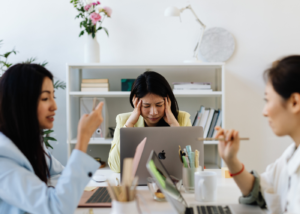
Poor sleep influences appetite hormones, blood sugar regulation and our motivation to move. Chronic stress doesn’t just affect our mood; it can influence inflammation, gut health, menstrual cycles and recovery. What looks like one problem is often several systems speaking to each other.
Our body is incredibly intelligent. It’s constantly adapting to the environment we create through our habits, relationships, nutrition, movement and recovery. Symptoms aren’t always something to silence. Often they’re the body’s way of asking us to pay attention.
This is where bioharmonising begins. Instead of chasing one symptom at a time, we strengthen the foundations that allow all of those systems to work together. We stop asking, “What’s the quickest fix?” and start asking, “What does my body need most right now?”
This doesn’t mean advanced testing, supplements or longevity technologies don’t have a place. I use many of them myself. But they’re exactly that: enhancements. They work best when they’re building on strong foundations rather than trying to compensate for poor ones.
So where do we start?
This is where many women expect me to recommend the latest longevity supplement, a hormone test or an expensive wellness gadget. Instead, I usually ask a much simpler question.
How strong are your foundations?
Bioharmonising is about strengthening the biological foundations that influence almost everything else. Think of it like building a house. Most of us have become obsessed with decorating the top floor while quietly ignoring the foundations underneath.
If your sleep is poor, your body is undernourished, your nervous system never gets a chance to recover and your relationships leave you feeling depleted, no amount of optimisation will fully compensate.
Prioritise sleep before supplements
If I could improve one thing for most women I meet, it would probably be their sleep.
Sleep is where your brain clears waste, your immune system repairs, your hormones regulate and your body recovers from the day. It influences everything from cravings and mood to energy, memory and resilience. It’s also one of the strongest predictors of long-term health and healthy ageing.
Aim for seven to nine hours whenever possible, but don’t focus only on quantity. Consistency matters just as much. Going to bed and waking up at roughly the same time each day helps regulate your internal body clock.
Nourish before you optimise
Wellness culture often encourages us to chase the perfect diet. In reality, most women would benefit more from consistently eating real food.
Start with enough protein to preserve muscle, particularly from midlife onwards. Aim for around 1.2 to 1.6 grams of protein per kilogram of body weight each day. For a 55kg woman, that’s around 65-90g per day. Build meals around colourful vegetables, fruit, legumes, nuts and seeds to support your gut microbiome, and minimise ultra-processed foods where possible.
Food isn’t just fuel. It’s information your body uses to build, repair and communicate.
Move consistently, not perfectly
Your body was designed to move. You don’t need the perfect workout programme. You need movement you can sustain.
Walk regularly. Strength train two or three times a week if you’re able. Break up long periods of sitting. We often underestimate the health benefits of simply moving more throughout the day.

Protect your recovery
Many women schedule meetings, workouts and children’s activities with military precision. Recovery rarely makes the calendar.
Recovery is where your body adapts, repairs and becomes more resilient. It’s where your nervous system shifts out of survival mode and your body begins repairing.
That doesn’t always mean an hour of meditation. Sometimes recovery is five slow breaths, a walk without your phone, reading a book, laughing with a friend or simply sitting quietly with a cup of tea.
Don’t underestimate connection
One of the most consistent findings from longevity research isn’t a superfood or supplement. It’s belonging. One of the simplest questions I ask is: Who do you call when life gets hard?
Humans are wired for connection. Meaningful relationships influence stress, emotional wellbeing and even long-term health.
Coffee with a friend, dinner with family or feeling part of a community may not feel like healthcare, but biologically they are far more important than we often realise.
Work with your body, not against it
Perhaps the most important question Bioharmonising asks is this: What does my body need most right now?
Not what social media says. Not what your favourite podcast recommends. Not what worked for your best friend. Some days that answer might be strength training. Other days it might be an earlier bedtime, more nourishing food or simply permission to slow down.
Listening to your body isn’t giving up. It’s finally working with the remarkable intelligence that has been trying to guide you all along.
The goal is harmony, not perfection

In a world that constantly tells women to do more, perhaps the most powerful thing we can do is strengthen the foundations we’ve been overlooking all along.
That’s the heart of bioharmonising: understanding that your health isn’t a collection of separate tasks to tick off. It’s an ecosystem. And when the foundations are given the attention they deserve, the rest has a much better chance of finding its rhythm.
So perhaps the next time you find yourself wondering what else you should add to your wellness routine, pause before buying another supplement or downloading another tracker.
Because health isn’t built through endless optimisation – it’s built when the basics work together in harmony.
References
- World Health Organization. Healthy Ageing.
https://www.who.int/health-topics/ageing - National Institute on Aging. What Do We Know About Healthy Aging?
https://www.nia.nih.gov/health/healthy-aging - American College of Lifestyle Medicine. Lifestyle Medicine Core Competencies and Evidence Base.
https://lifestylemedicine.org/ - Harvard T.H. Chan School of Public Health. Articles on nutrition, physical activity and social connection.
https://www.hsph.harvard.edu/ - Daniel Lieberman. The Story of the Human Body: Evolution, Health and Disease. Harvard University Press, 2013.
- National Sleep Foundation. Sleep Health Recommendations.
https://www.thensf.org/ - Dan Buettner. The Blue Zones: Lessons for Living Longer From the People Who’ve Lived the Longest. National Geographic.
- International Society of Sports Nutrition. Position Stand: Protein and Exercise. (Supports the protein recommendations.)
https://www.sportsnutritionsociety.org/ - Stacy Sims. ROAR (female-specific training and recovery).
- National Institutes of Health. Research on sleep, stress physiology and whole-body systems.
https://www.nih.gov/
Important Notice: This article is for general information and should not be considered medical advice. While we strive for accuracy, medical conditions vary, and the treatments mentioned may not suit everyone. Consult a qualified healthcare professional for personalised medical guidance.