Scalp treatments are stealing the language of skincare. But do they actually work for hair loss?

Last year, while reporting on Singapore’s growing obsession with hair loss treatments, I found myself sitting in a hair salon on Orchard Road while a therapist pressed a comb-like device studded with dozens of tiny needles against my scalp.
The device created microscopic punctures to deliver exosomes — cell-derived growth factors touted as one of aesthetic medicine’s hottest ingredients — beneath the skin. It wasn’t exactly painful, but neither was it the sort of relaxing salon experience I had anticipated.
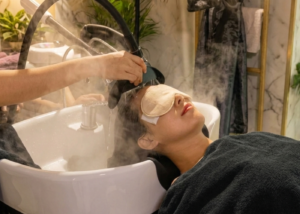
There was a time when a trip to the hair salon usually involved a five-minute head massage and, if your stylist was feeling generous, a serum promising “glossy, silky hair.” Today, some salons offer treatments that sound more like dermatology appointments: microneedling, LED light therapy, PDRN and growth-factor serums designed not for the hair itself, but for the skin underneath it.
As haircare borrows the language of skincare, the scalp has become the beauty industry’s latest surface of concern. Once largely ignored unless dandruff struck, it now receives the same level of attention as the face, with treatments surfacing in salons and increasingly in dermatology and aesthetic clinics.
It was enough to make me wonder whether the scalp had genuinely been overlooked all these years, or whether the beauty industry had simply found its next lucrative frontier. To separate the marketing from the medicine, I spoke to two experts.
The scalp takes centre stage
At her newly opened SSKINS Medispa, dermatologist Dr Angeline Yong offers a range of scalp-focused treatments, including an oxygen-infused treatment and one using ultrasound. She says she has seen a noticeable rise in patients seeking help for hair loss, as well as scalp concerns such as oiliness, itching, sensitivity and inflammation.
According to Dr Yong, Singapore’s hot, humid climate has accelerated the trend. “Frequent exercise, prolonged use of styling products and stress can also disrupt the scalp environment,” she explains. “These factors contribute to scalp discomfort and increased hair shedding.”
Meanwhile, Dr Harold Ma, co-founder of Freia Medical, began offering non-surgical scalp treatments such as stem cell therapy, exosomes and JetPeel around five years ago, long before scalp health became a mainstream beauty conversation. “By the age of 50, one in two individuals will suffer from some form of hair thinning,” he says.
But not every patient, he adds, wants or needs a hair transplant. Therefore, the clinic began looking closely at alternatives for people seeking earlier, less invasive intervention. “That was how we agreed on using exosomes as the foundation of our scalp hair growth treatments,” he says.
This new generation of scalp therapies may sound impressive. But are they genuinely necessary…or has the industry simply found another patch of skin to optimise?
Getting to the root of scalp health

The beauty shorthand is tempting: treat the scalp like the face, implying that the same skincare philosophy can simply be carried a few centimetres north. But Dr Yong says that it’s only partly true.
“While the scalp and face are both forms of skin, the scalp is a specialised ecosystem designed to support hair growth,” she explains.
Unlike facial skin, the scalp contains a far higher concentration of hair follicles and sebaceous (oil) glands, giving it a very different biological environment. It also has its own unique microbiome — the community of bacteria, fungi and other microorganisms that help keep skin healthy — which plays an important role in both scalp health and hair growth. Its priorities are different, too.
“The scalp’s primary role is not simply to function as skin, but to support the hair follicle, which is one of the most metabolically active structures in the body,” says Dr Yong.
One of the biggest misconceptions? Ingredients that work on the face must also be beneficial for the scalp, she explains. “However, the scalp has different physiological needs.”
Take rich, occlusive creams, for example. While they may be ideal for dry facial skin, they can clog hair follicles on the scalp and worsen conditions such as folliculitis. Likewise, potent active ingredients commonly found in facial skincare — including retinoids and high-strength exfoliating acids — may trigger irritation, disrupt the scalp barrier or aggravate inflammatory scalp conditions when used indiscriminately.
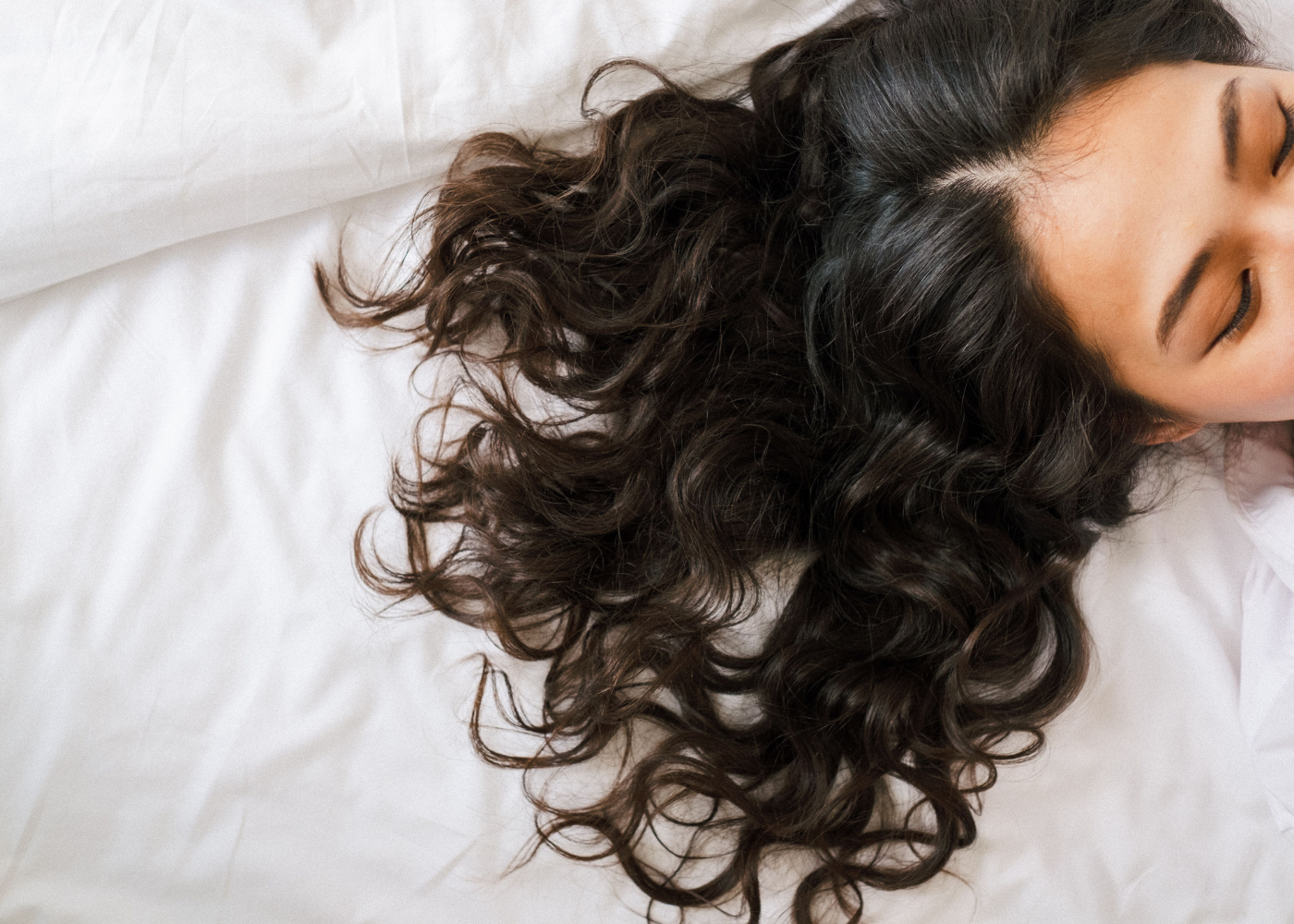
Even the multi-step skincare routines many of us have adopted for our faces don’t necessarily belong on our heads. “Frequently layering multiple skincare products onto the scalp can disrupt the scalp barrier and microbiome,” says Dr Yong, adding that inflammation on the scalp can disrupt the hair growth cycle, contributing to increased shedding, reduced hair density and poorer hair quality over time.
She likens the scalp to soil: the healthier the ground, the better the conditions for growth. It’s a useful analogy, if slightly alarming to those of us who have spent years treating our scalp as little more than shampoo territory. However, even good soil has its limits.
“Improving the soil alone cannot overcome every problem if there are underlying hormonal, genetic or medical factors affecting growth,” she says.
In these cases, the scalp should not be viewed as a universal solution for all hair-growth concerns. This is where diagnosis matters. Not every itchy, oily or thinning scalp needs a facial-style intervention, and not every person losing hair is an ideal candidate for scalp-focused treatments.
Treatments worth knowing (and ones that need more evidence)
“The suitability of any scalp treatment depends on the diagnosis,” says Dr Yong. “A proper scalp and hair assessment should always come first.”
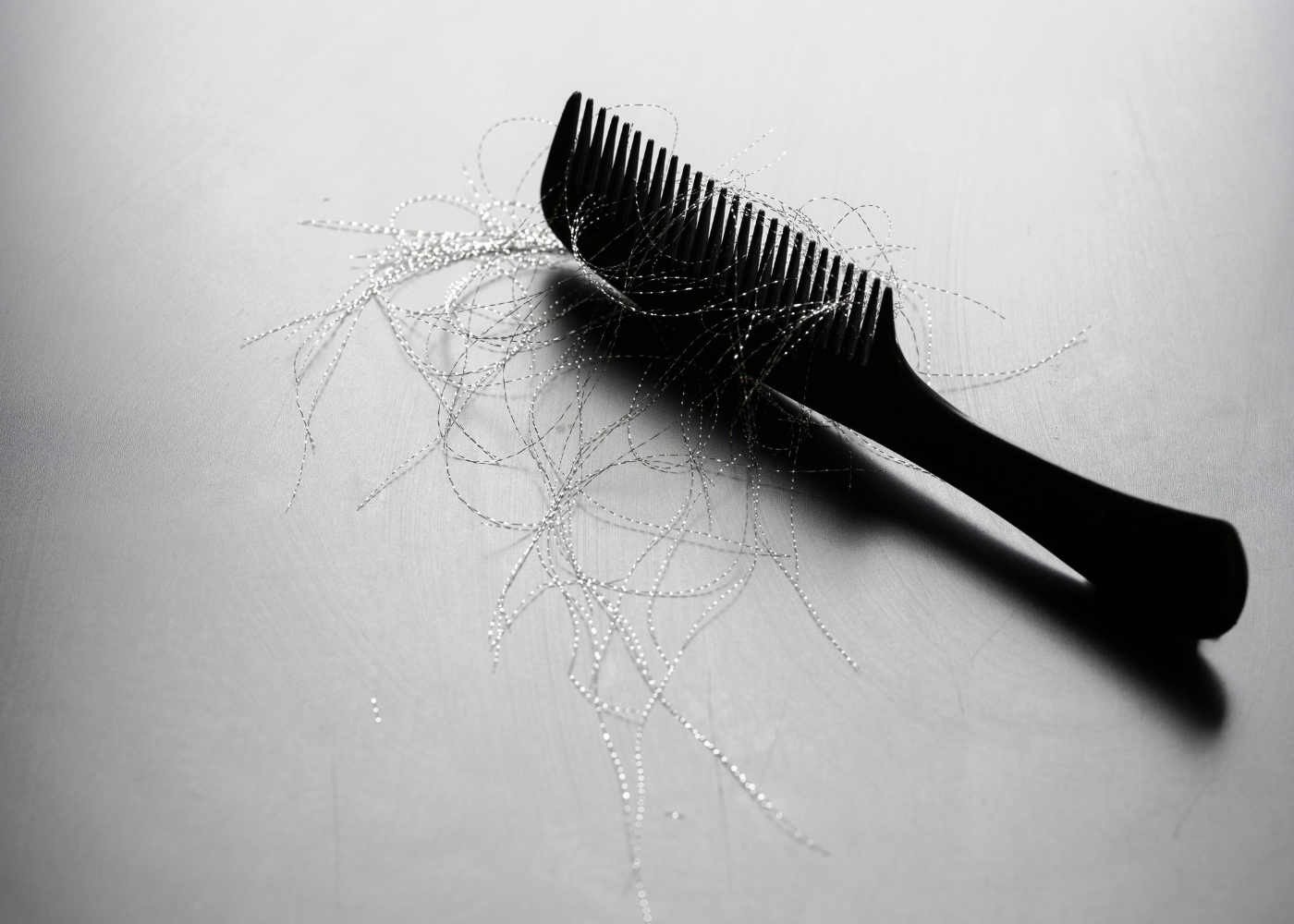
The trouble with the scalp boom is that the claims are multiplying faster than the evidence. Some next-generation treatments are better studied than others, and not everything with a futuristic name has the same scientific weight behind it.
“It’s important for consumers to distinguish between treatments that are well studied and those that remain experimental,” says Dr Yong.
Among the more established options is low-level laser therapy, or LLLT, often marketed as LED or laser therapy for hair growth. Dr Yong says it has “reasonably good clinical evidence” supporting its use in androgenetic alopecia, the common form of pattern hair loss that affects both men and women.
Microneedling also has evidence behind it, particularly when paired with established hair-loss treatments. Beyond stimulating the body’s own growth factors, it may also help improve the delivery of peptides, growth factors and exosomes to the hair follicles.
PRP, or platelet-rich plasma, has shown encouraging results in multiple studies. But there is an important caveat: while PRP is used for hair growth in some countries, Dr Yong notes that in Singapore, it’s currently not allowed for hair growth or aesthetic use.
The newer entrants are where things get murkier. Growth factors and exosome-based therapies are generating significant interest, but Dr Yong says the evidence is still relatively limited. More large-scale clinical trials are needed before firm conclusions can be drawn about their long-term effectiveness.
Dr Ma agrees that exosomes need to be understood with nuance. While Freia Medical uses selected exosomes, chosen for their quality, safety profile and supportive scalp-health ingredients, the category is not uniform, he says, and quality can vary widely between brands. He’s wary of the more questionable end of the market.
“Unfortunately, some exosomes are human-derived,” says Dr Ma. “These are controversial and banned in many countries due to the question of safety and lack of long-term clinical data.”
Dr Ma’s comments also made me revisit my own experience. The treatment I underwent used vegan, plant-derived exosomes too. Although early research suggests they may benefit scalp health and potentially support hair growth, the evidence is still evolving. Having undergone just one session, it was impossible for me to know whether the treatment was having any real effect.
There’s also the issue of manufacturing standards. Some brands, he adds, may not live up to their claims or carry the reassurance of good manufacturing practices. Dr Ma’s advice is to be discerning, especially as more providers enter the space.
“Be careful which you choose,” he says. “It helps to go to an establishment that has a long track record.”
Beyond the treatment menu, he suggests paying attention to how the clinic explains its approach. Are the staff pushing packages aggressively, or are they focused on diagnosis, patient well-being and the science behind what they offer?
In other words, the consultation may be as revealing as the technology.
What to do before you book a scalp treatment
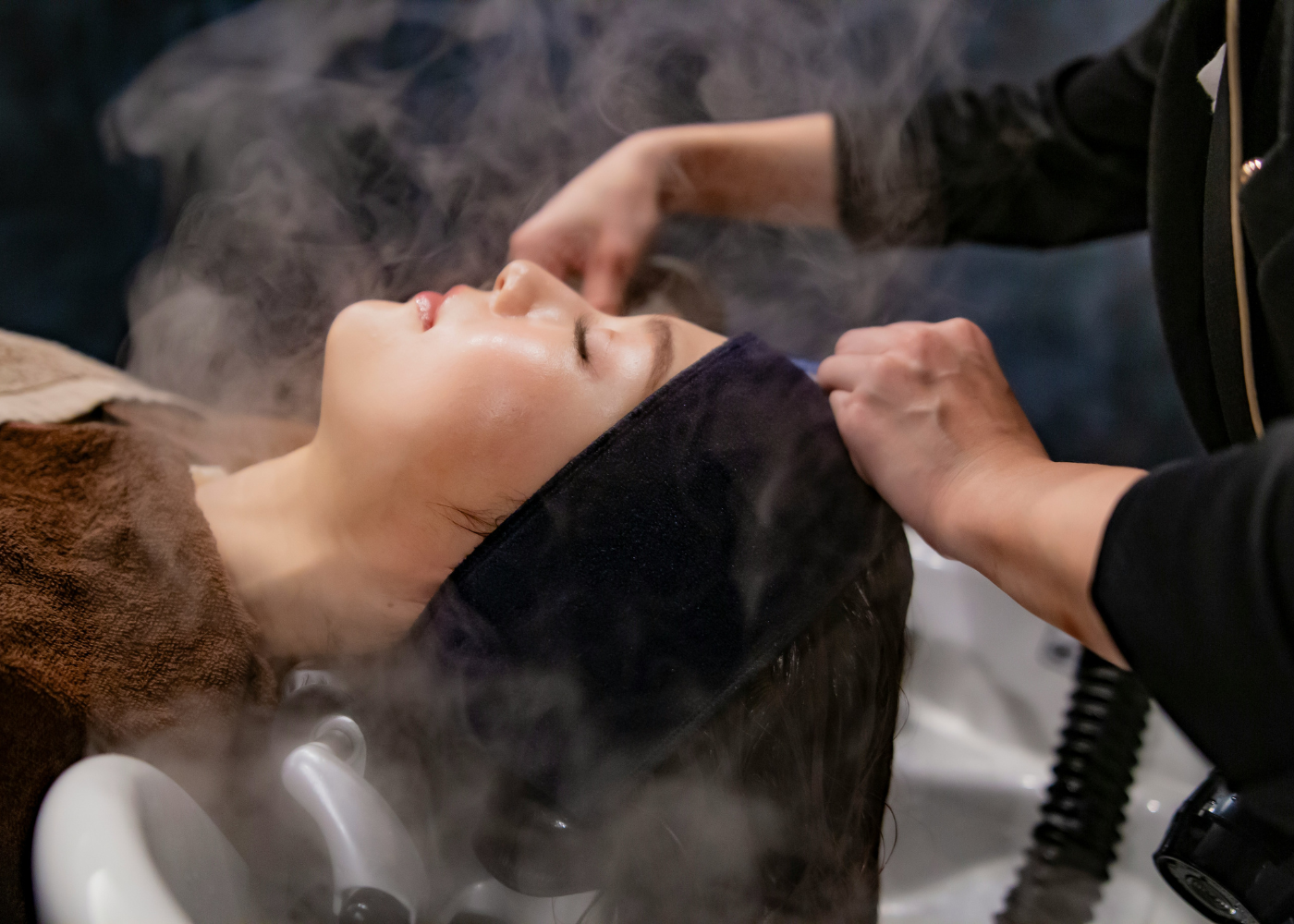
Before we turn the scalp into a science project, Dr Yong says we should first ask a simpler question: am I washing it enough?
“Many people with increased hair fall are reluctant to wash their hair frequently because they worry it will worsen hair loss,” she says.
In reality, for most people, appropriate cleansing helps remove excess sebum, sweat, pollutants and product buildup that can contribute to scalp inflammation. This is especially relevant in Singapore’s humidity, where sweat, oil and styling products can accumulate quickly.
“Maintaining a clean scalp can support a healthier scalp microbiome and reduce irritation,” says Dr Yong.
Dr Ma takes an even wider view. A healthy scalp, he says, is also supported by the things that don’t come in a treatment vial: a proper diet, lower stress, sensible exercise, and minimising alcohol and cigarette consumption.
He also cautions against repeatedly subjecting hair to harsh chemical services. Frequent perming, straightening and colouring, especially when done improperly, can damage the hair shaft and worsen overall hair quality.
If hair fall persists, both doctors suggest not waiting too long before seeking help. Internet remedies may be tempting, but they can also delay proper diagnosis.
“If one suspects they are having hair issues, seek professional help early, especially if any home or internet remedies are not making any difference,” says Dr Ma.
There’s no magic formula for restoring thinning hair, he adds. The best results usually come from a holistic approach, patience and consistency.
His advice was a useful reminder that, despite all the innovation, there are few shortcuts when it comes to hair loss.
In the end, the scalp may deserve more attention than we once gave it, but perhaps less hysteria than it’s now receiving. It’s not skin waiting for a 10-step routine, nor is it magical soil that can grow hair against all odds. It’s a living, reactive ecosystem — one that benefits from science, but also from common sense.