The Hyrox phenomenon in Singapore: Why everyone is obsessed with the brutal race and how it’s changing fitness culture

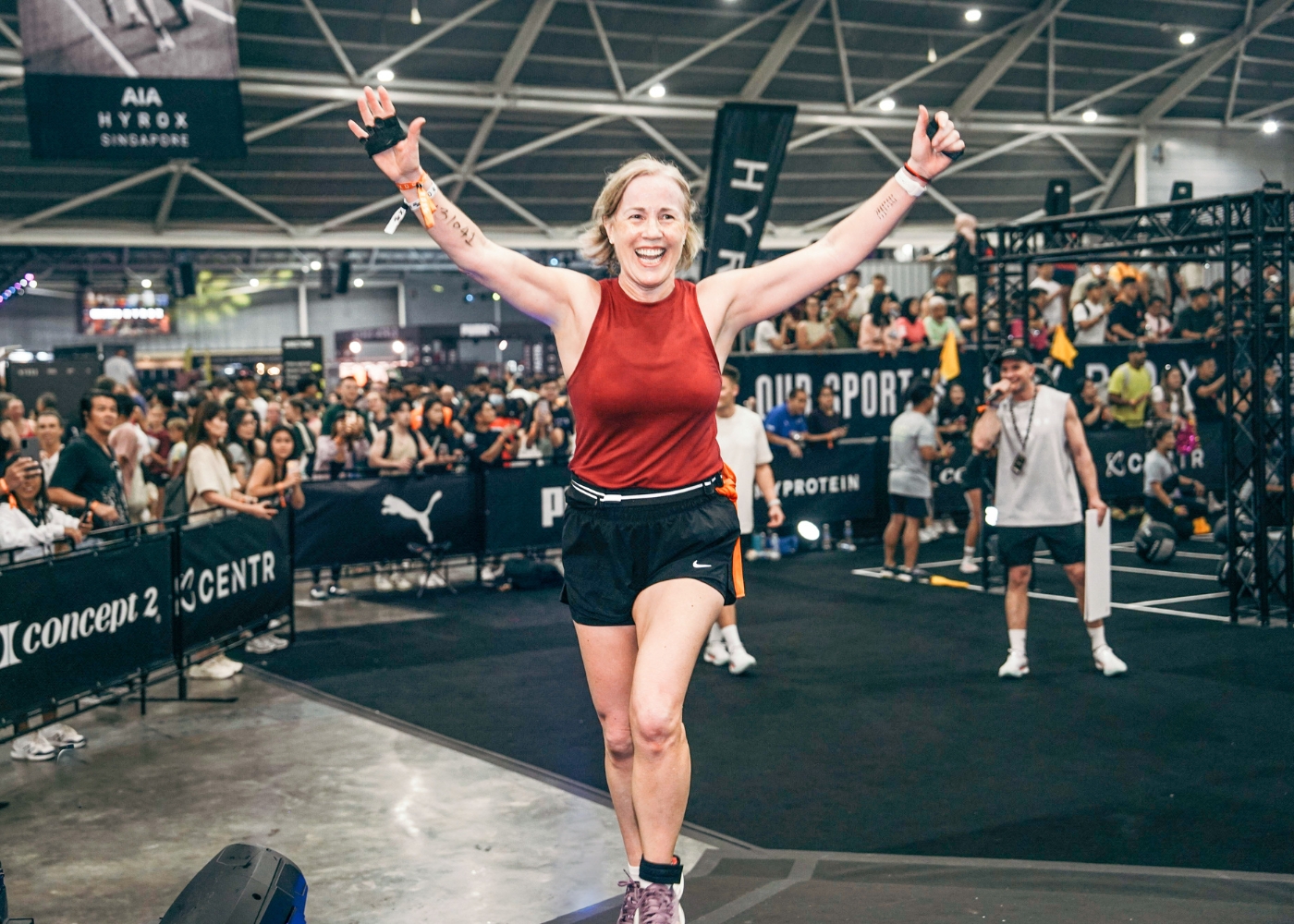
The collective thudding of running shoes hitting the ground, the screeching of weighted sleds being dragged, and an air thick with competitive tension – anyone who has been to a Hyrox Singapore race will instantly recognise this electrifying atmosphere. Since the phenomenon first landed on our sunny shores in 2023, the hype has only gotten bigger.
For the uninitiated, it’s an indoor fitness race that puts your strength, endurance and overall fitness to the test. Originating in Germany and now taking over the world by storm (over 30 countries and counting), the race offers a simple yet brutal formula: 8km of running with eight functional workout stations.
Interestingly, it’s not just competitive athletes signing up for these races. Take a look at social media, and you’ll see everyday folks and gym-goers smashing race after race.
It piqued my curiosity: what exactly is that hook that keeps racers coming back for more? And is hybrid fitness here to stay? I went behind the scenes to speak to race-goers, fitness coaches and health experts to find out what’s fuelling this fitness phenomenon.
A look at the diverse starting line
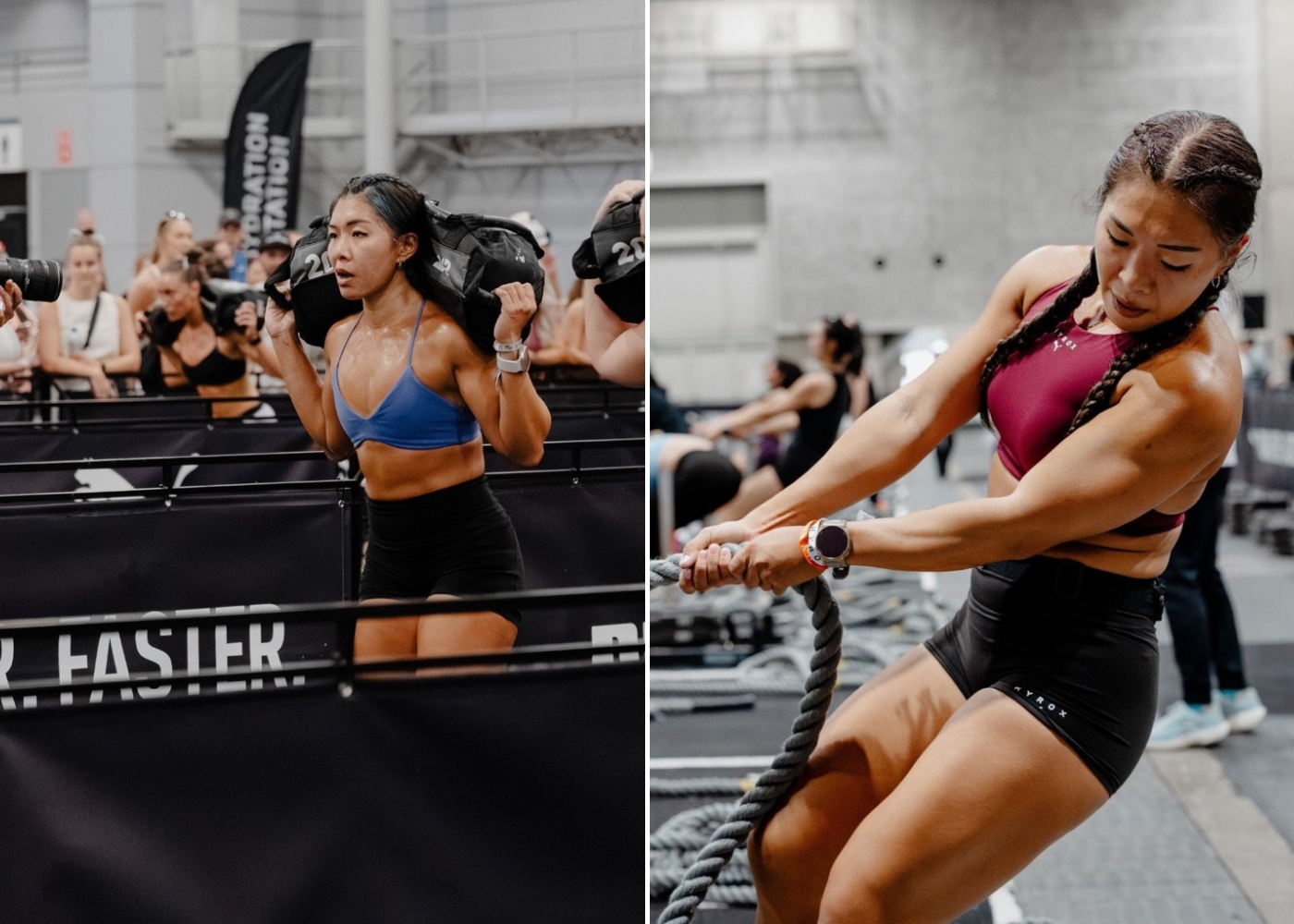
One glance at the Hyrox Singapore starting lines, and the diversity of the crowd instantly stands out. The grounds are filled with participants of all genders, age groups and body types. It’s a race that welcomes everyday folks, not just elite athletes.
“I see office workers, gym-goers who’ve never raced before, and women in their 30s and 40s who just want to prove something to themselves. People are realising you don’t need to be an elite athlete to toe the start line,” shares April Kong Majewski, an F45 functional training coach and Hyrox ambassador.
This widespread appeal comes down to a race format that focuses on basic functional movements like running, rowing and lunging, rather than technical skills.
“As compared to technical sports, the barrier to entry feels lower for beginners,” says Rachelle Sim, lead exercise specialist at Forged by ReFormd. “But at the same time, the race is still physically demanding enough that even experienced athletes find it challenging. I think that balance is a huge part of Hyrox’s appeal.”
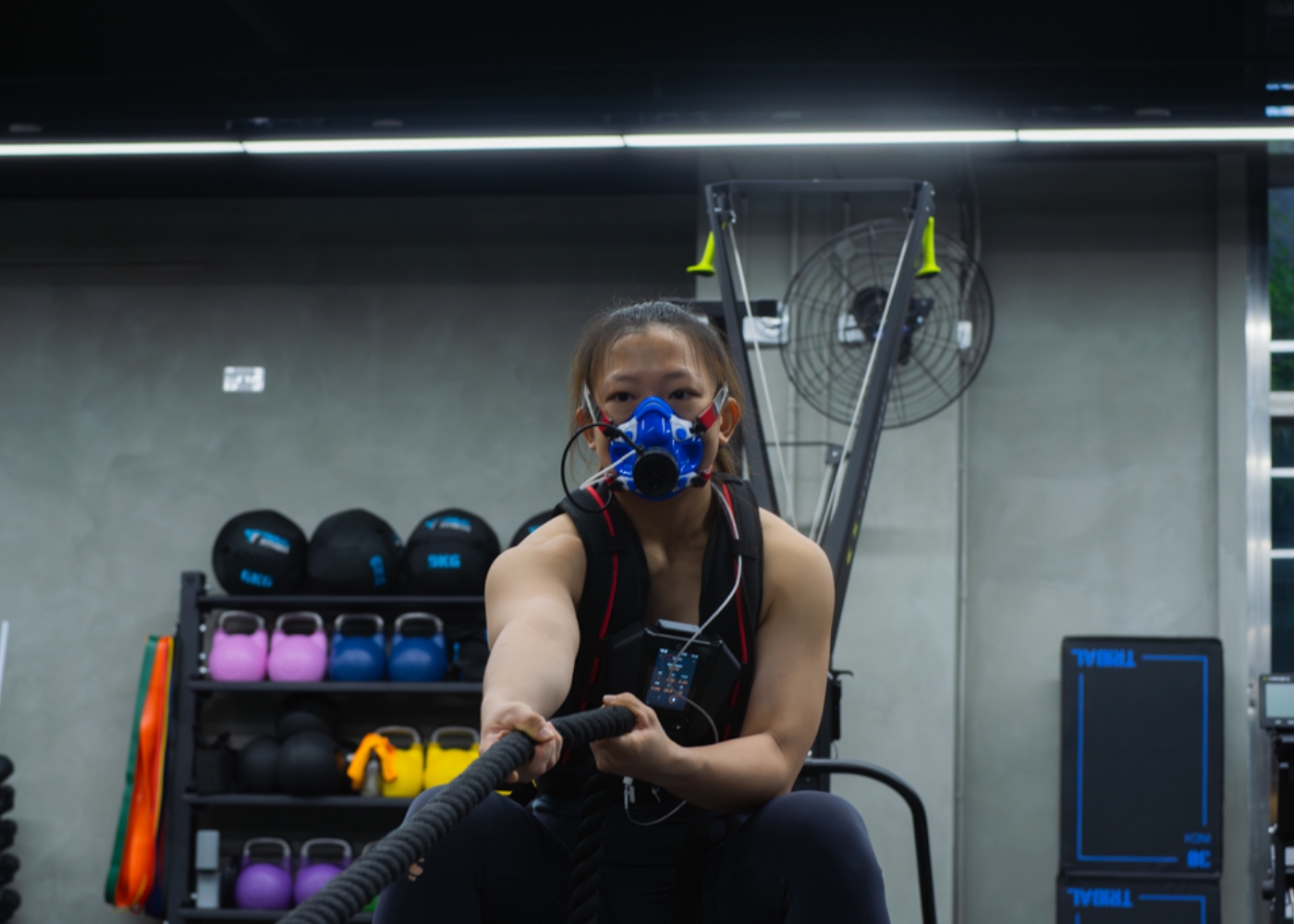
Beyond its accessibility, Hyrox also leverages Singaporeans’ appreciation for data and progress. With a fixed race format and metrics, it gives participants a clear and measurable goal to work towards. “People can see improvements in their run splits, recovery between stations, movement efficiency and overall race timing,” adds Rachelle.
This combination of simple movements and trackable data is a foolproof formula that keeps racers returning for more. As Viviane Then, a coach and brand manager at Peak360, puts it, these races give ordinary Singaporeans “permission to feel athletic again”.
“Many people come into the gym wanting to ‘get fitter’, but that can be quite vague. Hyrox turns fitness into something concrete,” says Viviane. “The race may be the hook, but the bigger reason is that people want to feel capable.”
The rise of the ‘hybrid athlete’
The birth of the ‘hybrid athlete’ persona usually stems from two camps: cardio purists dedicated to clocking mileage, and gym-goers who go all out in chasing strength. With the rising popularity of Hyrox, the lines have blurred, with more appreciating a combination of both.
“Hybrid fitness reflects how people want to feel and function in everyday life. Most people no longer want to train for just one thing, whether that is aesthetics, strength, or endurance alone. They want to feel strong, capable and resilient all at once,” shares Rachelle.
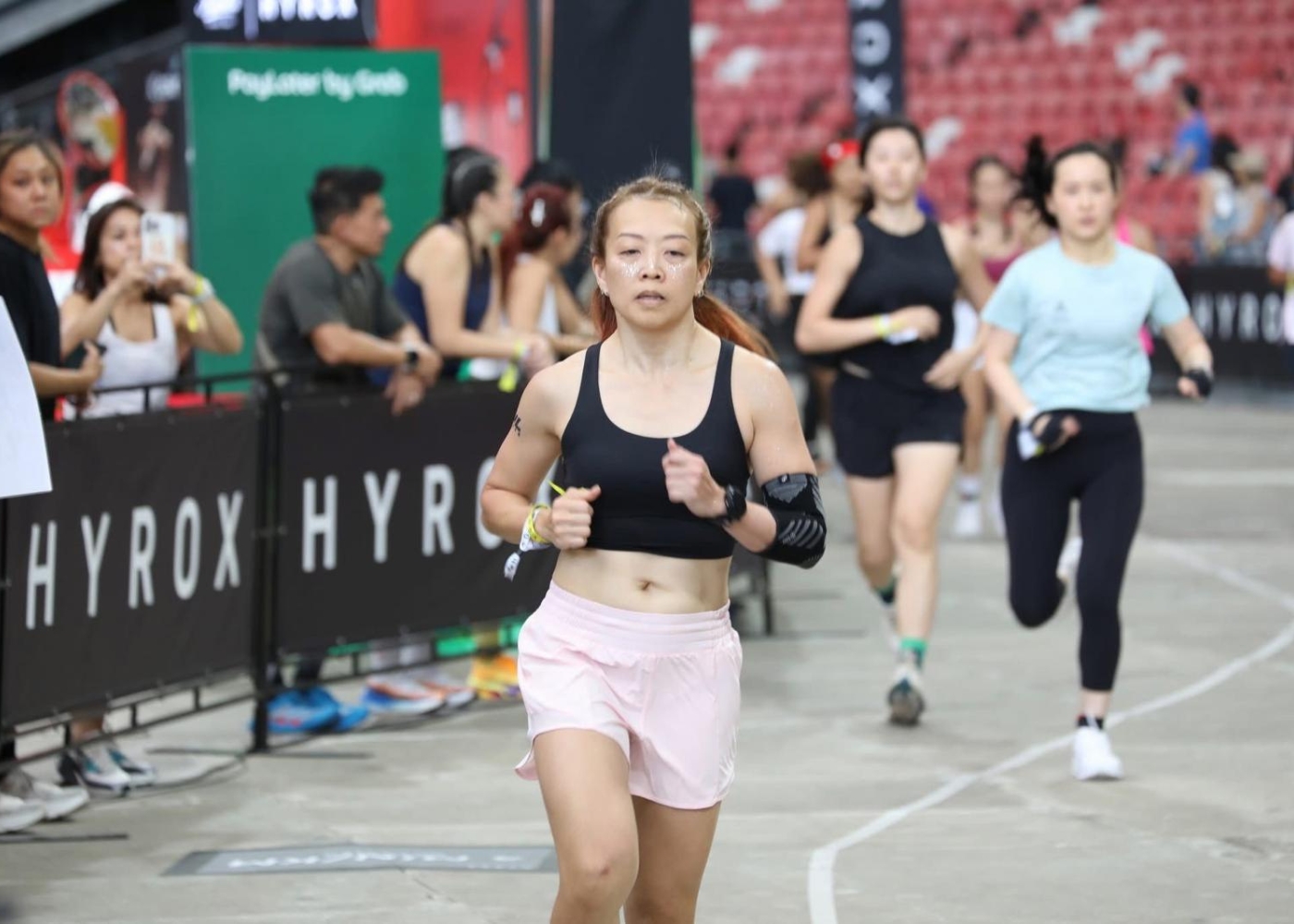
Christina Loh, a 49-year-old deputy director and owner of Revl Training Balestier, started as an active marathon runner and hopped on the hybrid fitness hype after joining group fitness classes. Today, she has completed Hyrox races in six countries and clinched podium finishes thrice.
“Being fit no longer means just hitting a fast 5km pace. It means maintaining my running performance even after I’ve dragged a heavy sled or thrown 100 wall balls,” says Christina. To her, the real challenge lies in priming the body and mind for this specific kind of fatigue.
Similarly, 46-year-old executive director Yvonne Chee switched from running to strength training due to a calf bone stress injury, and found herself hooked on hybrid workouts. With over 30 races and the Singapore Women’s Open Hyrox record under her belt, she says the mix of cardio and strength training keeps her fitness routine from feeling mundane.
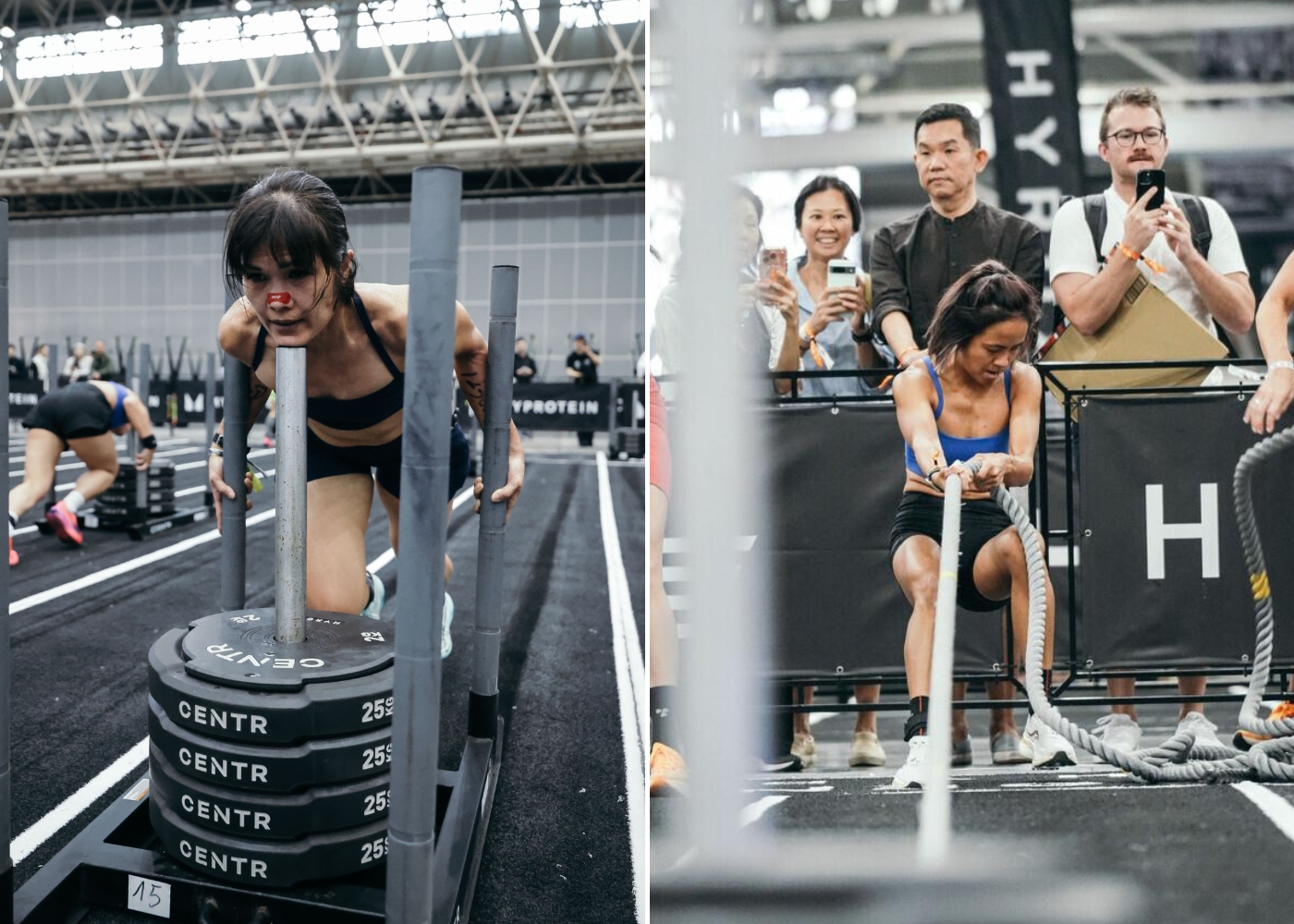
Even those who’ve experienced the whole fitness gamut find themselves gravitating towards hybrid training. Entrepreneur Denise Lum, 36, who has tried everything from track and field to rugby and CrossFit, now finds balance in hybrid workouts and has completed four races.
“My gym routine felt a bit aimless at the start of 2025, and I thought it would be nice to sharpen my discipline and have a clear goal to train for,” she explains.
To her, fitness is about consistency and showing up with intention every day. “Being a business owner is like doing Hyrox on repeat, so it helps,” she jokes.
Changing the definition of ‘fitness’
As more people shift towards hybrid fitness, the perception of fitness has also evolved – particularly among women.
“For a long time, many came into the gym with aesthetic-driven goals: lose weight, look leaner, build certain body parts. These goals still exist, but the conversation has become more layered,” observes Viviane.
“More women now see fitness as strength, energy, mobility, independence and ageing well. They want to know if they can keep up with their children, manage aches and stiffness, feel strong and be able to live well into their 50s and beyond.”
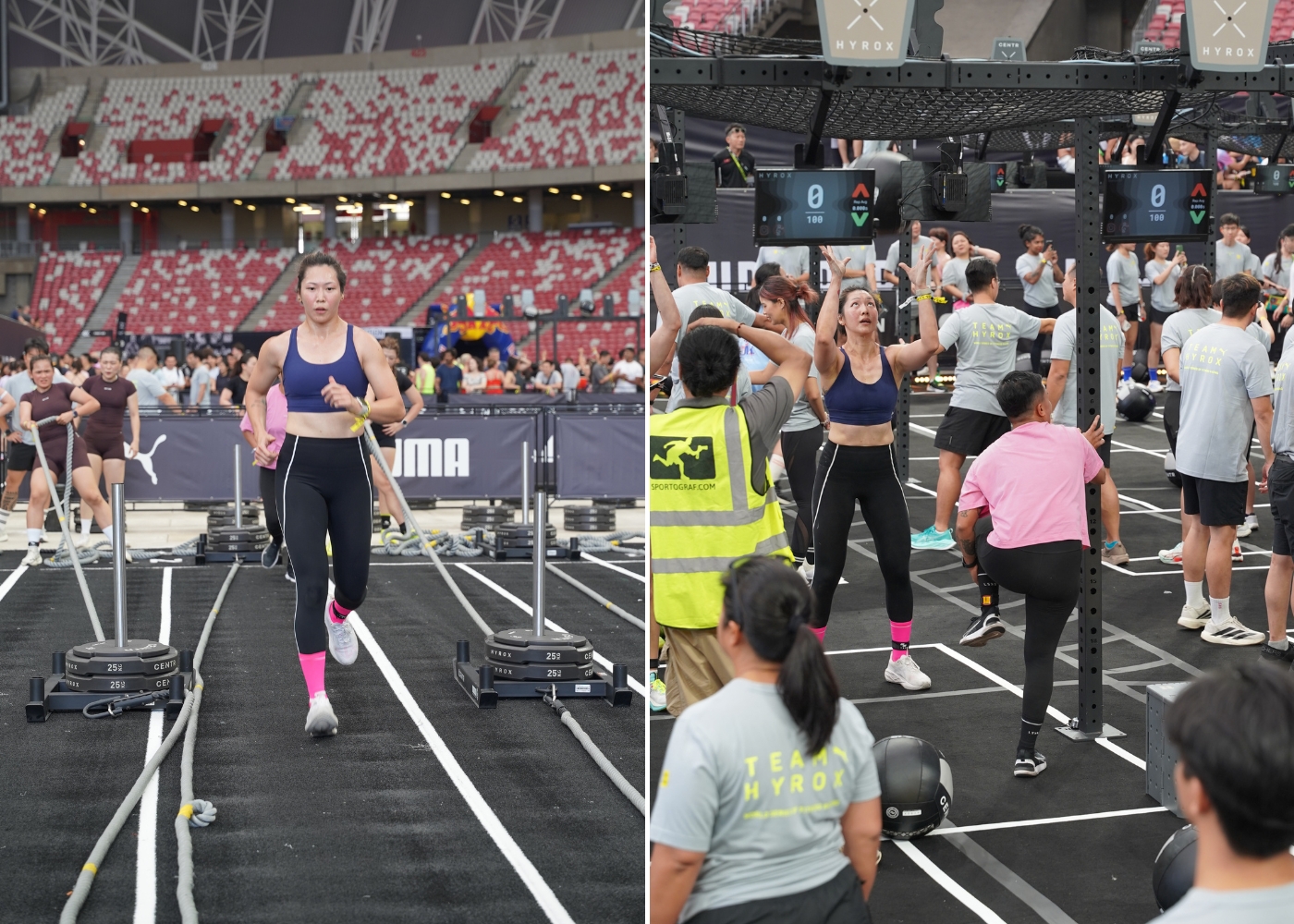
Take 57-year-old Carolyn Soemarjono, for instance. Calling herself the ‘Hyrox grandma’, a mum of three and grandmother of two has completed three races so far and is set to compete in the Pro division next. While she used to associate fitness with how one looks or weighs, she now focuses on building strength and resilience.
“Hybrid training suits me because I don’t want fitness to be one-dimensional. I want to be able to run, lift, carry, push, pull, get off the floor, try new things, and feel capable in my body,” says Carolyn, adding that she has learned how to refuel better and pursue physical goals like handstands and pull-ups.
Yvonne echoes this view: “Being fit is the real flex as we get older. It’s not something we can purchase, but the result of working hard, being disciplined, and staying determined.”
In fact, this need for women to build strength through functional training is backed by science. Dr Toon Dong Hao, orthopaedic surgeon at Gleneagles Hospital, shares that women face a 1% to 2% annual loss in muscle mass and a gradual deterioration in bone mineral density from their 30s.
“Functional strength training, like lunges, and sled push and pull, can help with age-related physical decline. This, in turn, helps preserve their independence and mobility, as well as prevents complications from osteoporosis in their advanced age,” he adds.
Gyms as the new ‘third spaces’
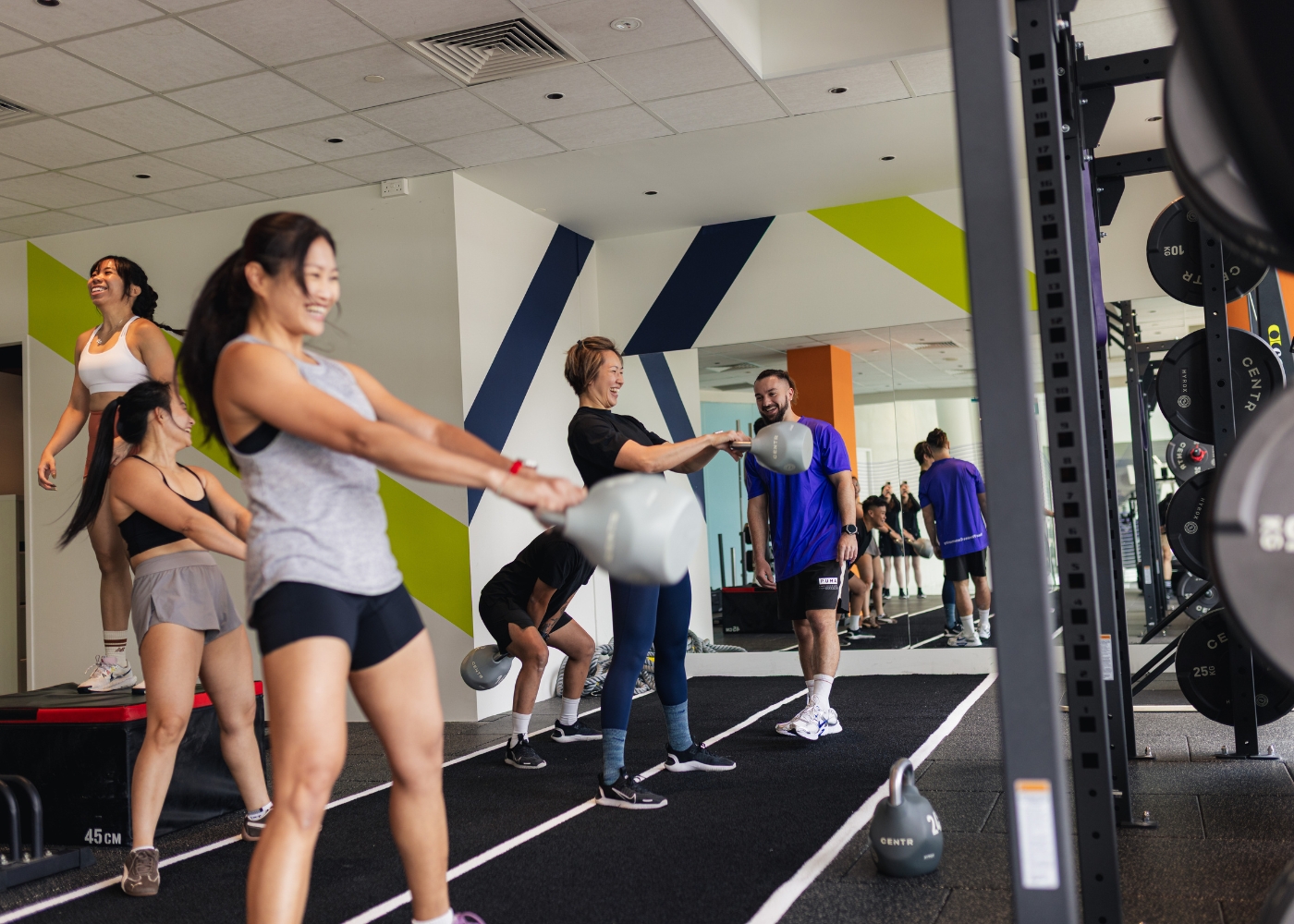
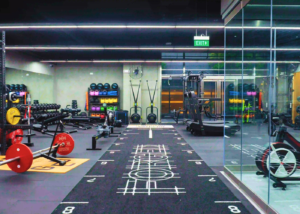
For those looking in from the outside, the demands of hybrid training can look like ‘pure torture’. Yet, it’s this shared grit over completing sweaty workouts that brings people together – and keeps them signing up for more. Local gyms have now transformed into ‘third spaces’, aka familiar social environments outside of work and home, where a close-knit community is built over time.
“People prepare for races, go through conditioning sessions and push through difficult workouts as a group,” explains Rachelle. “There’s a shared understanding of how demanding the training can be, and that naturally creates a stronger sense of accountability and community within gyms.”
On the actual race ground, this collective bond goes a long way in pushing participants through physical and mental fatigue.
“Sharing a race floor with hundreds of people grinding through the same movements creates a bond unlike anything else. And not forgetting having your family and peers cheer you on,” says April.
Insider pro tips for your first Hyrox race
If this has officially piqued your interest in hybrid training and races, you’re not alone, ‘cos I’m itching to take that plunge, too. But here’s a sign to pause before taking your training from zero to a hundred. Going full speed can easily (and literally) land you on the wrong foot.
‘I commonly see injuries related to overuse, largely from athletes ramping up their training intensity and volume too quickly, without factoring in time for recovery and mobility work,” says Dr Toon. Whether it’s back pain, knee aches or shoulder issues, Dr Toon shares that most injuries can be prevented by following a gradual training progression, making time for recovery and paying attention to early warning signs.
His biggest piece of advice? Don’t snooze on the basics. “Sleep is definitely the most important recovery tool. If you are training and pushing your body hard, you should ideally get seven to nine hours of sleep,” emphasises Dr Toon, adding that any fancy recovery tools or supplements aren’t going to work if you’re not sleeping well.
Other non-negotiables include having a mobility routine to reduce injury risk and enhance range of motion, as well as fuelling your body properly. That looks like a balanced diet with high carbohydrates, moderate protein, healthy fats and lots of hydration.
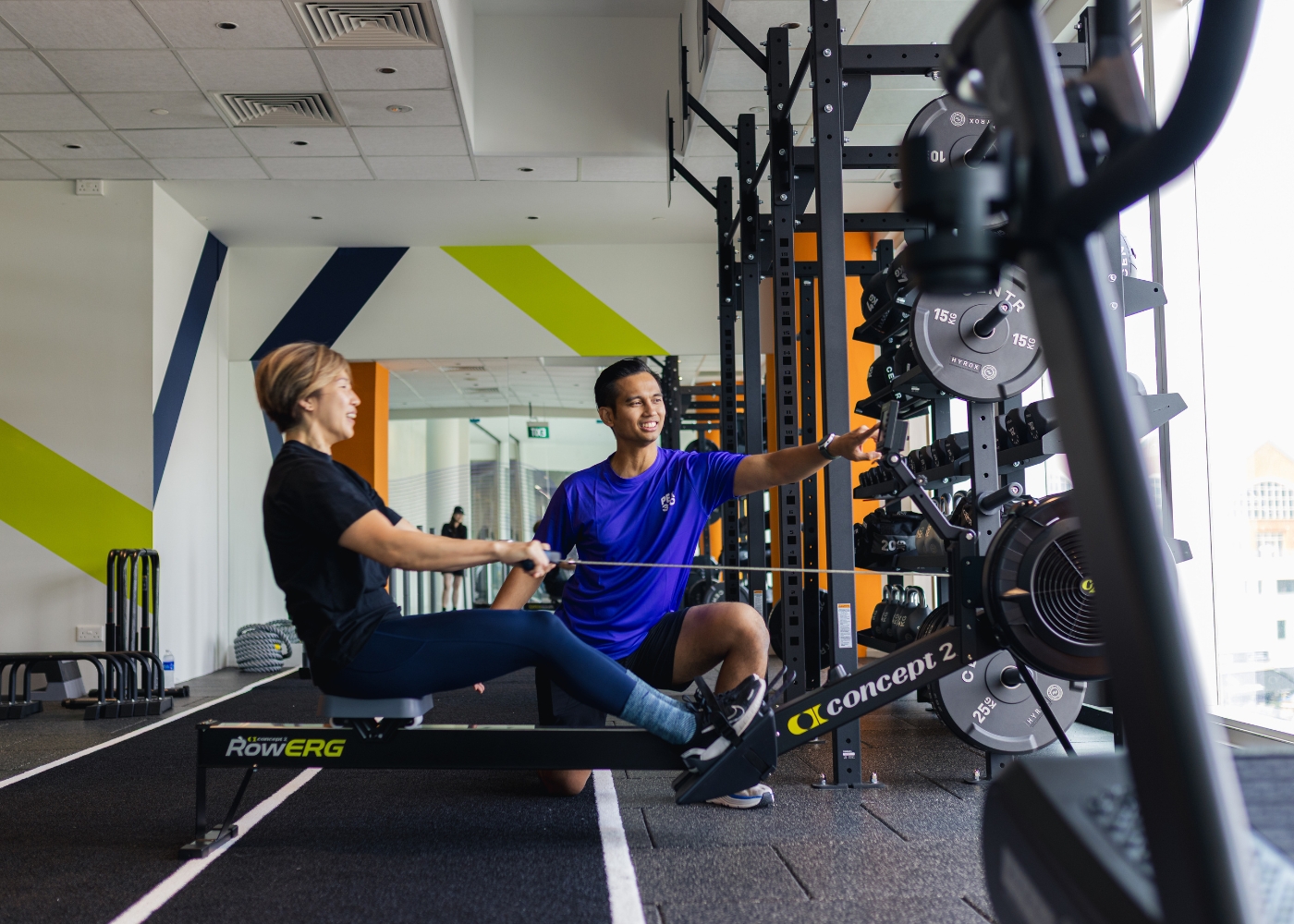
Having tried racing twice within two weeks, 57-year-old Carolyn learnt this the hard way. “At this stage of life, I can’t keep pushing and expect my body to cope magically. Now, I know I need rest days, better fueling, mobility, physiotherapy when needed, and the humility to pull back before something becomes an injury.”
But the biggest hurdle to finishing a race like Hyrox is often not physical; it’s all in the mind. Viviane points out how Singaporeans mistakenly assume they need to look a certain way, run at a certain pace or lift a certain amount of weight before they are ‘allowed’ to try hybrid training.
“The biggest shift at the start is often not physical, but mental. Once someone realises, ‘I don’t have to do everything perfectly; I just need to start where I am’, the race becomes much less intimidating,” she shares.
Her advice to complete beginners is to ignore the pressure of being perfect. “Walk before you run, learn the movements, build strength gradually, then improve your pacing. The goal is not to prove that you are already fit. It is to use the training process to become fitter, stronger and more confident.”
Even taking the first step of signing up for a race and putting in the work is worth celebrating. As April puts it: “It’s proof that you committed to something hard and saw it through, so enjoy it.”