

Weight-loss injections are changing the way we think about obesity in Singapore

In 1985, a young Oprah Winfrey sat across from Joan Rivers on The Tonight Show, excited to be making her first appearance. Within minutes, Joan was wagging a finger at Oprah, asking her how she’d “gained the weight” and challenging her on national TV to lose 15 pounds. Oprah laughed it off on camera, but said later she left feeling humiliated and embarrassed. She wasn’t, by her own account, upset at what Joan had said. She said instead that she deserved to be ridiculed, that it was her fault she was overweight.
Forty years on, in an interview with CBS Sunday Morning, the hurt was still evident. “It’s not my fault, Jane! It’s not my fault,” Oprah’s voice caught as she responded to the interviewer’s comment that obesity had since been officially classified as a chronic disease. “I could weep right now for all of the many days and nights I journaled about this being my fault, and why can’t I conquer this thing?”
In 2023, Oprah revealed that she had started taking a GLP-1 medication after years of dismissing weight-loss drugs as “the easy way out”, describing it as “a gift”. Several other well-known personalities, including Elon Musk and Sharon Osbourne, have also spoken openly about their experiences with GLP-1s. Some have called the drugs a “lifesaver”; others have sworn off them after suffering adverse reactions.
What was once a quiet conversation has become one of the most searched health topics on the internet.
In Singapore, demand for the same class of medications has risen sharply over the past few years, as doctors and patients move away from the idea that losing weight is simply a matter of eating less and exercising more.
The rise of weight-loss injections in Singapore
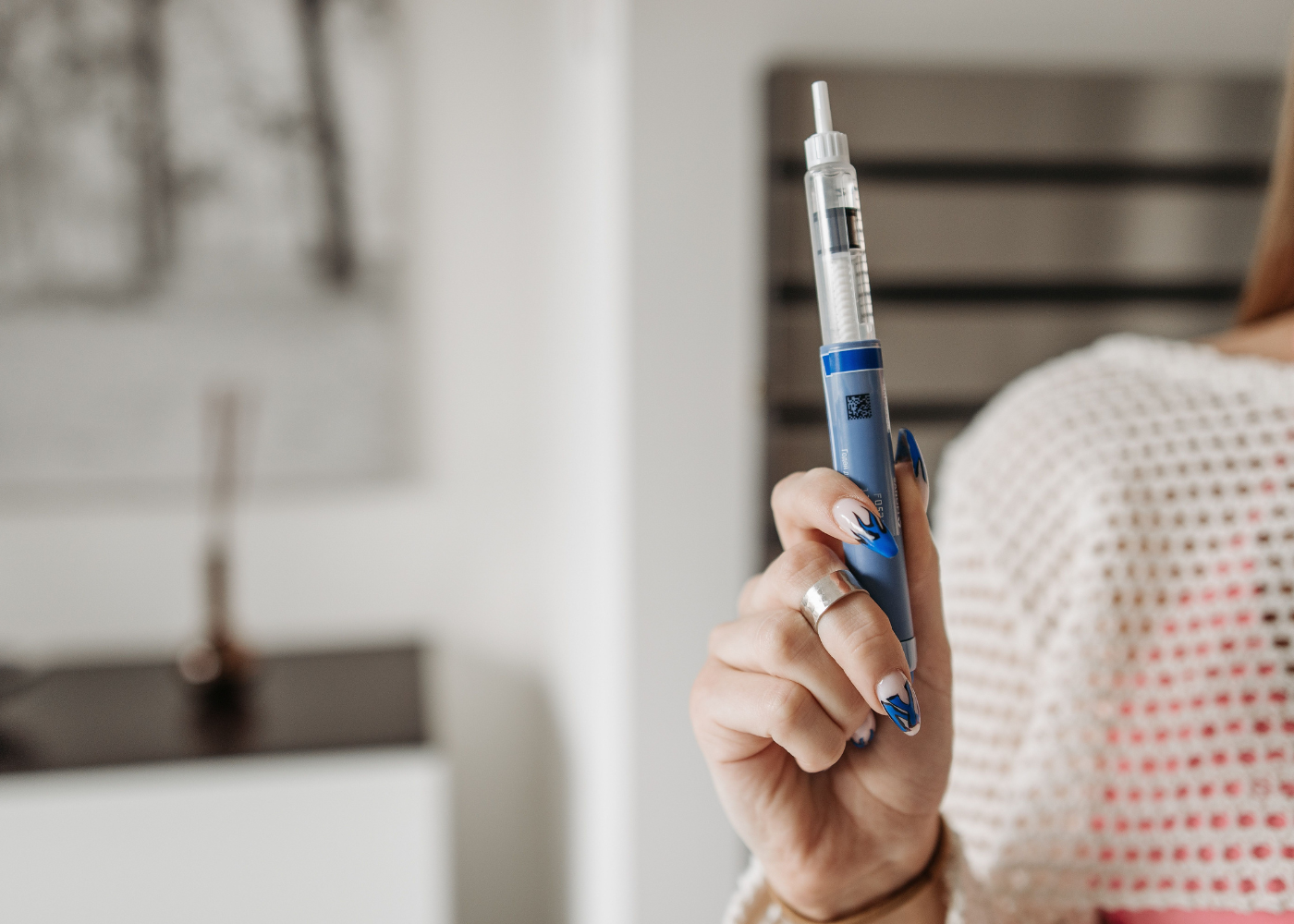
According to official figures reported by local media, the number of patients using semaglutide injections such as Ozempic and Wegovy has jumped more than fourfold, from about 1,500 in 2023 to about 6,400 in 2025. Some clinics report fielding 50 to 70 enquiries a day about GLP-1 medications, though only a fraction of those callers actually qualify for a prescription.
The Health Sciences Authority approved Ozempic for treatment of Type 2 diabetes in 2021. The weight-loss side effect showed up almost immediately, and within two years, Wegovy was cleared specifically for weight management. Mounjaro, a tirzepatide-based injection, was approved for treatment of Type 2 diabetes in 2023, followed by weight management in 2025.
These medicines aren’t exactly new, said Dr Ben Ng, a consultant endocrinologist and Chief Medical Officer of ORA. Some versions have been around for more than 20 years. What has changed is how well the latest formulations work; clinical trials show patients can lose between 10 and 20 per cent of their body weight when the treatment is combined with lifestyle changes.
“For years, people with obesity were simply told to eat less and move more. If that failed, they were blamed. Furthermore, there were no really effective treatments available,” said Dr Ng. “These medicines have shown us that appetite and body weight are strongly influenced by biology. It is hard to call obesity a lack of willpower when a medication can so dramatically change hunger.”
The increase in interest lines up with a growing public health concern. Around the world, more than 1 billion people are living with obesity, according to the World Health Organization, which linked the condition to 3.7 million deaths in 2024.
In Singapore, about 12.7 per cent of residents are obese, with a further 27.4 per cent classified as overweight. Taken together, that’s four in every 10 adults.
“Weight is unlike many other medical conditions because it is highly visible and deeply intertwined with our ideas of beauty, fitness and self-worth,” said Dr Lim Boon Leng, Medical Director and Psychiatrist at Dr BL Lim Centre For Psychological Wellness.
“Society often equates being slim with discipline, attractiveness and success, while excess weight is unfairly associated with laziness or a lack of self-control. As a result, obesity is frequently judged through a moral lens rather than recognised as a complex chronic medical condition.”
How GLP-1 injections work
Not everyone experiences hunger in the same way. Some people finish a meal and don’t think about food again for hours. Others have constant chatter in their head about the next meal, whether there’s food nearby or whether they should give in to a craving.
After we eat, our body releases a hormone called glucagon-like peptide-1, or GLP-1. It tells our brain that we’ve had enough to eat, slows down how quickly food leaves our stomach and helps regulate blood sugar. GLP-1 medications such as semaglutide and tirzepatide mimic that hormone, helping regulate appetite and increase feelings of fullness. Patients often describe the effect as “food noise” being switched off.
“Many patients say they can eat, feel satisfied and get on with their day,” said Dr Ng. If a medication can quiet that noise, added Dr Lim, then it suggests that for some people, overeating was never simply a matter of weak willpower – rather, their brains were generating stronger hunger signals, or assigning greater reward value to food.
“By modulating these biological pathways, these medications appear to reduce not only physical hunger but also the cognitive and emotional preoccupation with food,” said Dr Lim.
What experts want women to know about weight-loss drugs
In Singapore, these medications can be prescribed for adults with a BMI of 30 and above, or 27 and above if they also have weight-related medical conditions such as diabetes or hypertension. As awareness has grown, so has the range of patients asking about them.
“The range of patients has definitely broadened,” said Dr Koh Shu Qing, a family physician at The Artisan Health Clinic.
When GLP-1s first became available, most people seeking them had obesity alongside conditions such as diabetes or high blood pressure. Today, Dr Koh sees younger adults hoping to prevent future disease, as well as those who simply want to shed a few kilograms to look slimmer.
Social media has accelerated that trend. Dr Koh said more patients now arrive asking for specific brands they’ve seen online. Some have done extensive research. Others have unrealistic expectations shaped by influencers and celebrity testimonials.
“One of my roles is helping patients separate evidence from hype,” she said.
Before writing a prescription, Dr Koh considers a patient’s weight history, previous attempts to lose weight, medical conditions, current medications, pregnancy plans and family history. She also asks what they hope to achieve – better health, improved mobility and metabolic health, or a quick cosmetic fix?
“Not everyone is a suitable candidate, and not everyone needs medication. The decision should always be individualised after weighing the potential benefits and risks,” she said.
If medication is appropriate, she emphasises that it isn’t a replacement for healthy habits. Patients still need to eat well, stay active and make changes they can sustain after the initial weight loss. If someone isn’t medically suitable, she discusses alternatives such as nutrition, exercise, sleep optimisation and behavioural support.
On his end, Dr Ng suggests every patient should ask themselves: Why am I taking this? How will I protect my muscle? What side effects should I watch for? What happens if the weight loss plateaus or stops? And, more importantly, what’s the plan once I reach my goal?
“Starting the treatment is only half the conversation. The maintenance plan and trying to wean off, if applicable, matters just as much,” said Dr Ng.
The cost of weight-loss injections in Singapore and the side effects doctors flag most
For all the excitement surrounding GLP-1s, they do come with trade-offs.
First, there’s the cost. Depending on the clinic and dosage, treatment can cost between $400 and $800 a month. This has prompted some people to buy the drugs from overseas or online sellers instead. The Ministry of Health has warned of “significant health risks” in doing so.
Cost, however, is only one consideration. Common side effects include nausea, vomiting, diarrhoea and constipation. These are usually temporary and often improve as the body adjusts, but not everyone tolerates the medication well.
Without proper guidance, patients can also suffer substantial muscle loss. Some studies suggest that between 15 and 40 per cent of the weight lost on GLP-1 medication is lean body mass rather than fat.
For women in midlife, that’s an added concern. Muscle mass already declines during perimenopause, which is one reason many women notice their bodies changing despite eating and exercising the same way.
“I certainly think it’s important to be concerned enough to take it seriously, but not frightened,” said Dr Ng. “Whenever someone loses a lot of weight, some muscle may be lost too. The aim is to make sure most of the loss is fat.”
The best protection, he said, is resistance training, enough protein, and avoiding a dose so high a patient is barely eating. He pointed to studies showing that these measures can maintain and potentially improve muscle mass, even in women over 70.
Stopping treatment presents another challenge. A BMJ study published in January found that people who quit weight-loss injections regained weight about four times faster than those who came off conventional dieting, often returning to their starting weight in less than two years.
“Weight regain can occur because obesity involves biological mechanisms that defend body weight,” Dr Koh explained. “After weight loss, the body often increases hunger signals while reducing energy expenditure, making it easier to regain weight. When medication is stopped, these biological signals may return.”
She stressed that weight regain isn’t inevitable. Patients who build sustainable habits and keep up resistance training generally keep off more of the weight they lose.
Could these drugs change the way Singapore thinks about obesity?

Dr Ng believes they already are.
“We may begin treating obesity earlier, before patients develop diabetes, sleep apnoea, fatty liver or mobility problems,” he said.
That shift is already happening in countries such as the UK, where the National Health Service is offering free GLP-1 medications to patients at risk of heart attacks and strokes. In the US, Medicare has begun covering some GLP-1 drugs for a US$50 monthly copay for eligible patients through a pilot programme.
Singapore hasn’t taken such steps. GLP-1s prescribed solely for weight loss are generally not covered by insurance, putting them beyond the reach of many.
But as evidence grows that GLP-1s may help lower the risks of cardiovascular disease, fatty liver disease, kidney disease, sleep apnoea and even some cancers, the conversation could become less about weight loss and more about disease prevention.
The medical shift, however, may prove easier than the cultural one.
People taking medication for hypertension are rarely accused of taking shortcuts. Yet people using GLP-1s are often criticised for “taking the easy way out”.
Dr Lim believes that says less about the drugs than about how society still views obesity – the same view, in fact, that Oprah herself held before she started taking them.
“We do not accuse patients with hypertension of taking the easy way out by taking blood pressure medication,” he said. “Obesity should be viewed through the same evidence-based medical lens.”
Social media has complicated the picture. Transformation videos and celebrity testimonials have introduced more people to GLP-1s, but they have also fuelled unrealistic expectations and a growing interest among people who want to lose weight for cosmetic reasons rather than medical ones.
“This is particularly concerning because it may contribute to unhealthy eating attitudes or even increase the risk of eating disorders such as anorexia nervosa, where the pursuit of thinness becomes excessive and harmful,” said Dr Lim.
The line between treatment and trend
The tension between those two realities – medicine that genuinely helps, and medicine that gets co-opted by a culture obsessed with thinness – is the one the doctors keep returning to.
“Weight-loss medications are empowering when they treat obesity and improve health after years of blame and failed dieting,” said Dr Ng. “They become problematic when healthy women feel pressured to use medication simply to achieve a fashionable body shape.
“Medicine should treat health, not Instagram.”
What is GLP-1?
GLP-1 (glucagon-like peptide-1) is a natural hormone released after eating. It helps regulate appetite, slows stomach emptying, and controls blood sugar levels.
What is food noise?
"Food noise" refers to persistent thoughts about food, cravings or the urge to eat, even when you're not physically hungry. Many people taking GLP-1 medications describe this mental chatter becoming much quieter during treatment.
How do GLP-1 weight-loss injections work?
GLP-1 weight-loss injections mimic the body's natural GLP-1 hormone. They increase feelings of fullness, slow digestion, regulate blood sugar and reduce appetite, making it easier to eat less without feeling constantly hungry.
Who qualifies for weight-loss injections in Singapore?
In Singapore, GLP-1 weight-loss injections are generally prescribed for adults with a BMI of 30 or above, or 27 or above if they also have weight-related conditions such as diabetes or hypertension. Doctors also consider medical history, medications and individual health goals before prescribing them.
What are the side effects of GLP-1 injections?
Common side effects include nausea, vomiting, diarrhoea and constipation, particularly when starting treatment. Some people may also lose muscle mass if they don't consume enough protein or do resistance training while losing weight.
How much do weight-loss injections cost in Singapore?
GLP-1 weight-loss injections typically cost $400 to $800 per month in Singapore, depending on the medication, dosage and clinic.
Are weight-loss injections covered by insurance in Singapore?
Generally, no. GLP-1 medications prescribed solely for weight loss are not typically covered by insurance in Singapore, meaning patients usually pay out of pocket.
What happens when you stop taking weight-loss injections?
Some people regain weight after stopping GLP-1 medication because the biological signals that regulate hunger return. However, maintaining healthy eating habits, regular exercise and resistance training can help reduce weight regain.
Important Notice: This article is for general information and should not be considered medical advice. While we strive for accuracy, medical conditions vary, and the treatments mentioned may not suit everyone. Consult a qualified healthcare professional for personalised medical guidance.