
The longevity gap: The women’s longevity advice you’re getting was never built for you

Women’s longevity these days feels a lot like a second job. From supplements and fasting regimens to wearable tech and ever-expanding optimisation routines (which are often rebranded as “protocols”, a word that feels very tech bro), longevity comes with a promise: that with enough discipline, you can not only live longer, but also stay healthier by delaying both mental and physical decline.
The proposition is seductive, but the reality for many women is far messier.
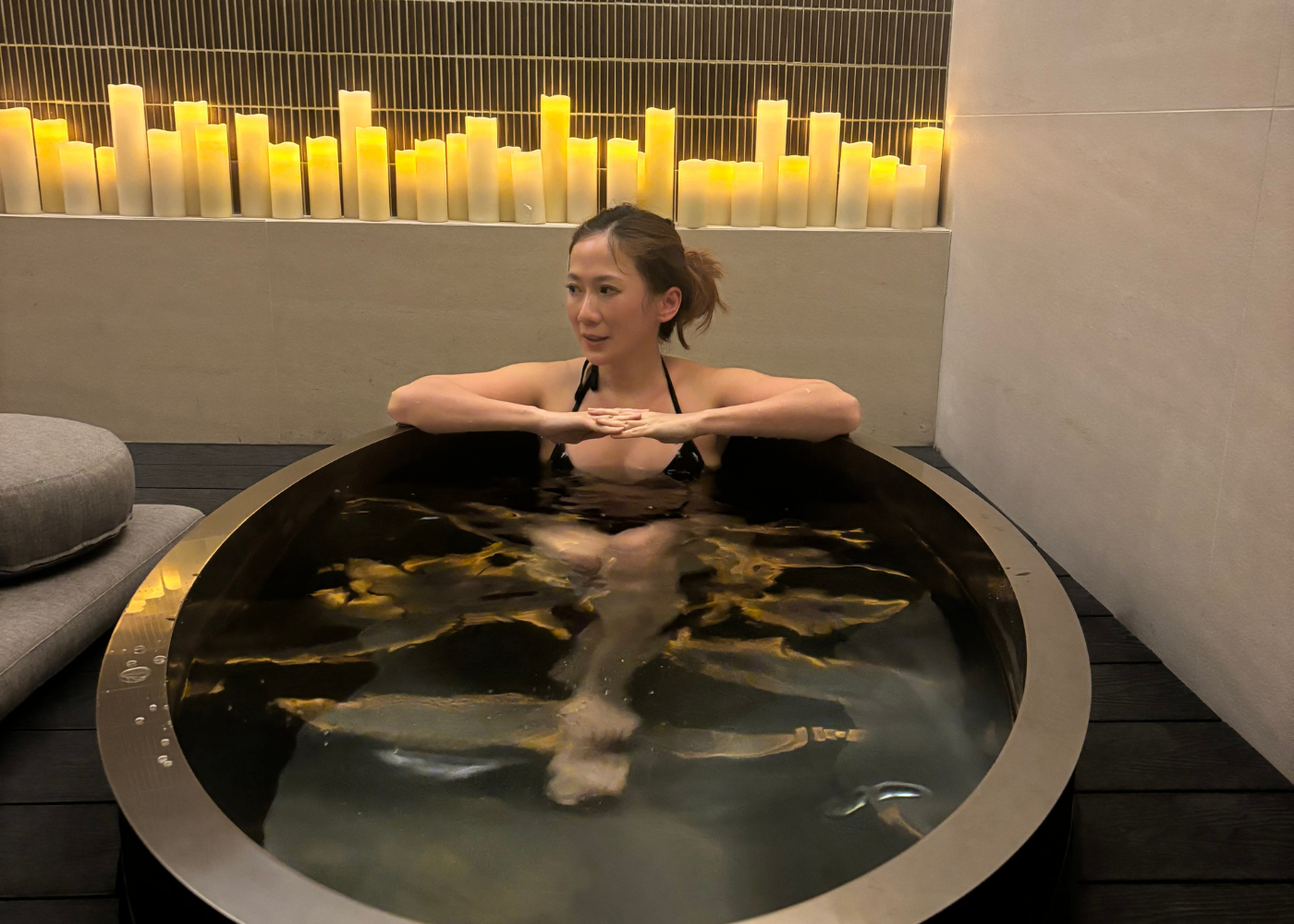
For me, longevity is a daily stack of supplements lined up on the kitchen shelf: magnesium for sleep, omega-3 for the brain, calcium for bone health, ashwagandha for stress, among others. Later in the day, there might be contrast therapy (sauna and ice plunge) repeated no less than three times within an hour and a half, but not before hitting the gym for some weight and cardio training.
There are times when the routine feels worth it: my PMS symptoms have improved, and I have barely fallen sick since starting it. Then there are the other, less optimal days, when sleep eludes me. Despite doing many of the “right” things, I feel oddly depleted and spend the day trudging around like longevity’s first recorded casualty.
Longevity is starting to feel like a second job
Singapore may be tiny, but our appetite for optimisation is not. We love a schedule, a metric, a membership package and a self-improvement plan. In a city already built around hustling and productivity, longevity can feel like the wellness version of the tuition: a well-meaning investment in the future, but also another thing to squeeze into an already overloaded week.
However, much of what we now recognise as longevity wasn’t designed with women in mind. For years, women were often excluded or underrepresented in medical and exercise research, partly because of concerns around reproductive risk and partly because fluctuating hormones were seen as making the data harder to interpret.
So instead of building protocols around the reality of women’s bodies, much of the wellness world inherited a model based on bodies that do not menstruate, cycle, enter perimenopause or experience menopause. Which is a fairly major plot twist, considering how confidently many of these routines are now sold to women.
Gerontologist Heike Cushway explains that the field is shaped by a simple assumption: if something works, more of it must be better. It’s a neat, linear model. However, female physiology, after all, is anything but linear. Sleep, stress tolerance and hormones shift not just over decades, but within a single month. This is where things begin to unravel.
“What we often see is women trying to follow high-intensity, structured routines that don’t adapt to these fluctuations. This can lead to increased fatigue, hormonal disruption, or burnout,” says Yinon Vardi, founder of social wellness club, Rekoop.
The unsexy things still work
The least glamorous longevity advice is also, annoyingly, the most difficult to outsource. Sleep, nutrition, movement, stress and relationships are the fundamentals that underpin everything else. They do not come in sleek bottles and do not photograph well on a bathroom shelf. But experts say these are where the work begins.
“There’s a lot of noise,” says family physician and menopause lead at Osler Health, Dr Tash Mirando, pointing to the steady stream of supplements, high-intensity workouts and constant optimisation. “But the reality is, we control the fundamentals.”
These, she suggests, are the non-negotiables: “Get those right first before reaching for anything more complex.”

It is not that supplements, cold plunges or treatments are useless. But if the basics are shaky, the add-ons can become a way of amping up the dysfunction. A woman who is sleeping five hours a night, running on caffeine and stress, and squeezing in punishing workouts may not need another protocol but fewer demands on her system.
According to Yinon, much of the focus in longevity today is on physical recovery, while chronic stress remains largely unaddressed. Without proper rest and reset, the body stays in a constant state of alert, limiting its ability to recover.
“Over time, insufficient recovery shows up as poor sleep, persistent fatigue, difficulty losing fat, increased inflammation, and reduced resilience to stress. You may also see elevated resting heart rate and hormonal imbalances,” he says.
The case for doing less
There is something seductive about the all-in reset. It certainly has the deranged optimism of a New Year’s resolution: write the list, stick to the plan, and become unrecognisable by February.
In his line of work, Yinon has seen how easily the pursuit of optimisation can backfire. “Most women arrive expecting a shortcut, a supplement, or a single ‘protocol’ that can reverse years of accumulated stress, poor sleep, inflammation, and metabolic imbalance,” he says.
What often follows instead is a cycle of overcorrection. People start with high intensity, layering on multiple treatments and strict routines, only to abandon everything when it becomes unsustainable.
“Optimisation becomes counterproductive when it creates stress, rigidity, or social isolation,” he adds.

I recognise this pattern because I have absolutely done it: tried to fix sleep, strength, skin, stress and energy all at once, while feeling like I needed a recovery protocol from my recovery protocol.
That idea is echoed by Dr Tash, who sees a similar pattern in practice: “We’ve got to do things in a sustainable way and think long term.” Her advice? Pare it back. Because when a routine is sustainable, it compounds. “When you start doing things that are sustainable, you start to feel better. When you feel better, you do more,” she says. “If you keep pushing and pushing, you just feel worse.”
According to Yinon, longevity is not a quick intervention; it is the result of consistent behavioural and physiological change over time. The body adapts slowly. Cellular repair, nervous system balance, and hormonal regulation require repeated exposure to the right conditions over weeks and months, not occasional bursts of intensity.
“A simple, repeatable weekly structure is far more effective than a highly optimised routine that cannot be maintained,” he says. Because in the end, longevity should improve quality of life, not reduce it.
One woman’s reset is another woman’s cortisol spike
Not all longevity protocols are created equal. “The most consistent results come from interventions that support regulation, circulation, and cellular recovery,” says Yinon. In practice, that tends to look far less dramatic than the trends dominating social media.
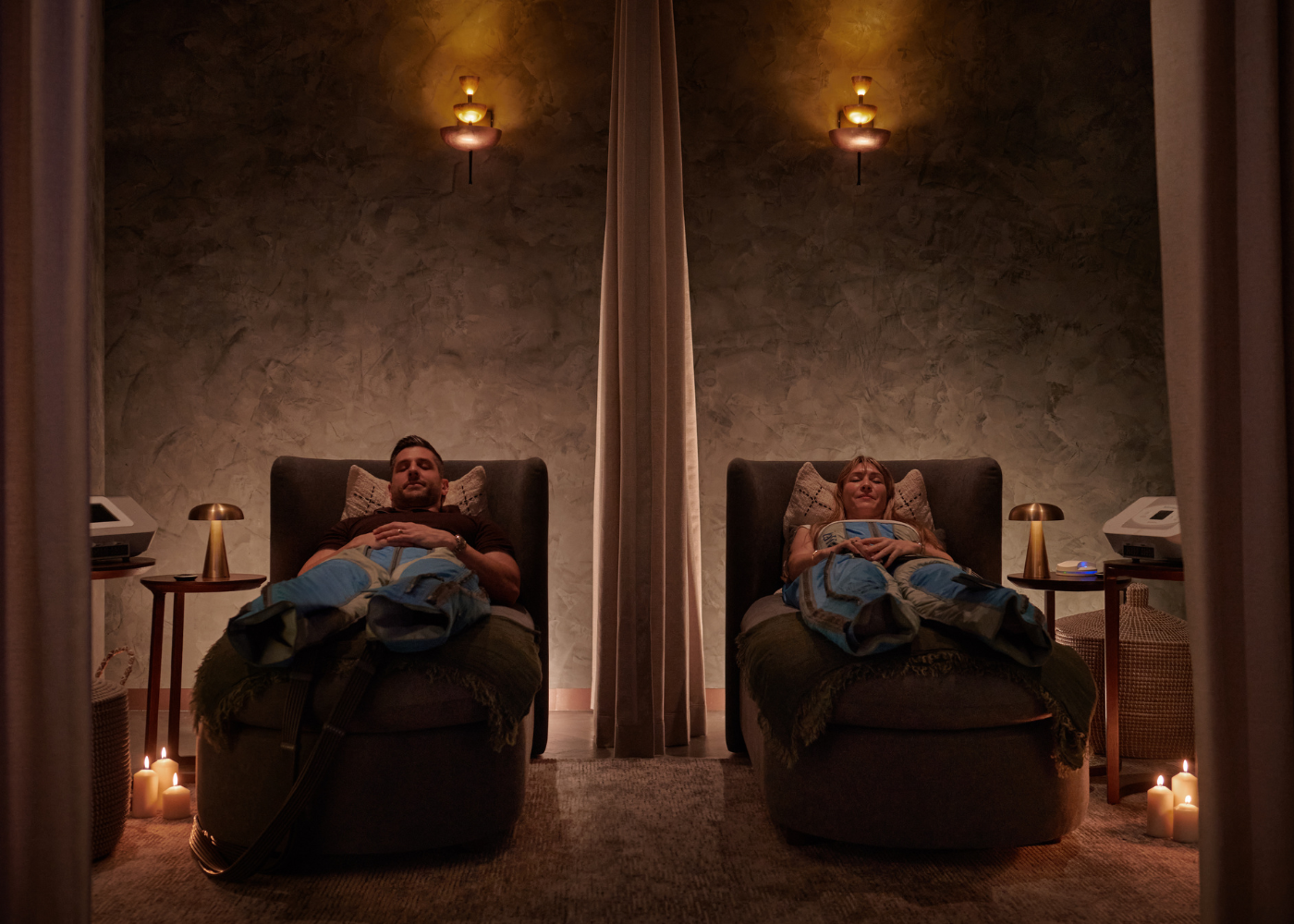
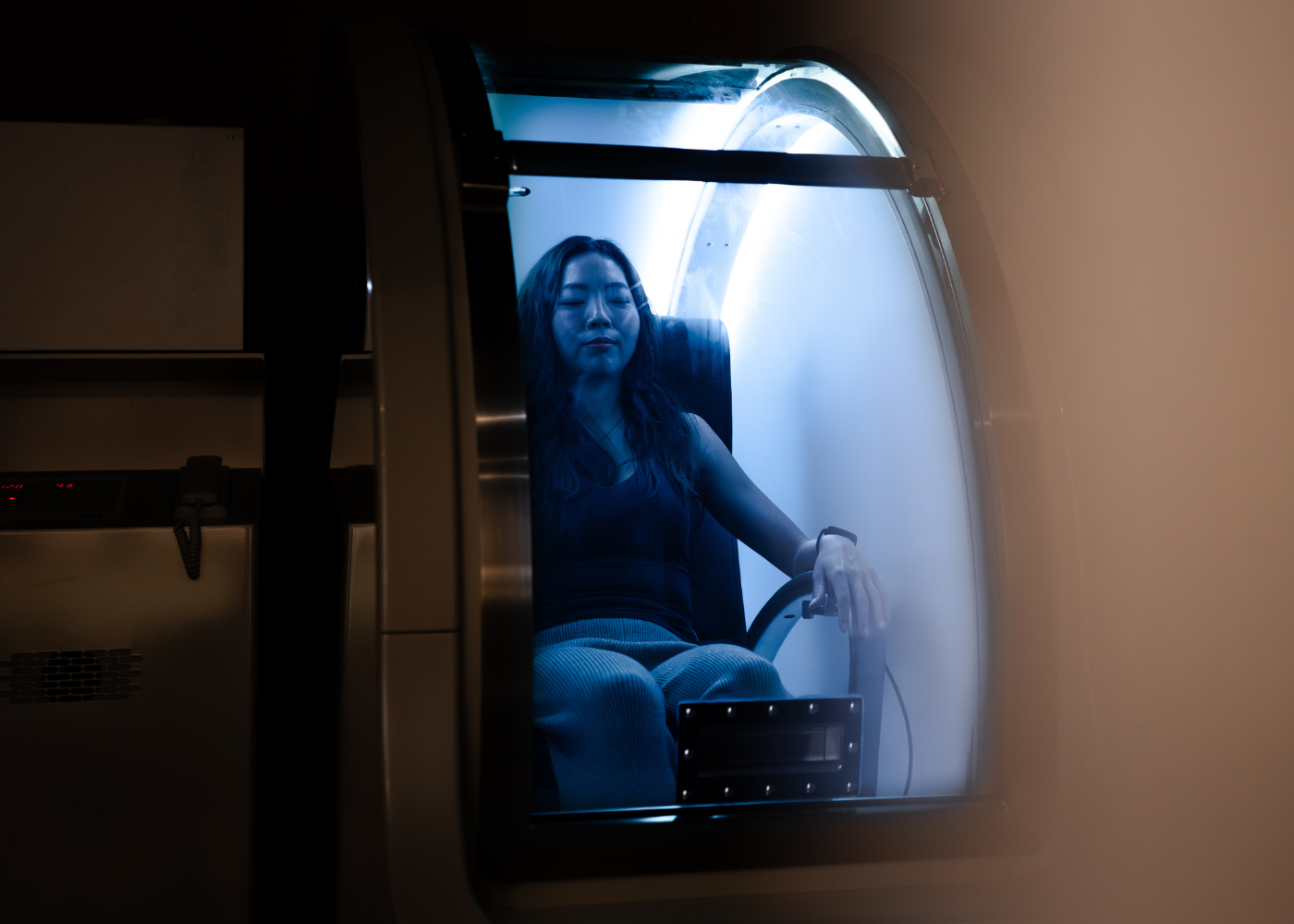
Therapies like lymphatic compression can help with fluid retention and circulation, while red light therapy is often used to support tissue repair and inflammation. Oxygen-based treatments, too, are gaining traction for improving energy, focus and recovery over time. “They work because they support the body’s natural systems,” he adds.
On the other hand, cold exposure, particularly ice baths, has become many people’s go-to for speeding up recovery after exercise, but its benefits are often overstated, especially for women.
“For some individuals, especially women under high stress or with hormonal imbalance, excessive cold exposure can increase cortisol and place additional strain on the nervous system,” explains Yinon.
Fasting falls into a similar category. Often positioned as a reset for metabolism and detoxification, fasting sounds wonderfully simple on paper. Do not eat for a set number of hours or days. Carry on with your life. Become metabolically superior.
But the body is not always compliant.
As functional medicine doctor Dr Olivia Lesslar explains, “The real question is: what can your body actually handle at that point in time?”
Fasting, she notes, can also be interpreted by the body as stress: “If the nervous system reads it as scarcity rather than repair, the outcome may be counterproductive, even paradoxical, such as increased fat storage around the midsection.”
This is the problem with treating longevity like a universal template. What worked beautifully in one season of life may feel completely wrong in another.
NUS professor and biomedical scientist, Dean Ho, points out that longevity protocols are rarely one-size-fits-all. “Women are still underrepresented,” he says. “Their physiology isn’t static. It changes over time, so what works for them shouldn’t stay fixed either.”
Which leaves a less marketable takeaway. Longevity is not about finding the one thing that works for everyone, but understanding what works for you.
The most underrated longevity tool is knowing when to stop

Before reaching for the next supplement, treatment or routine, Yinon suggests a simple filter: What is this actually meant to do, and do you need it right now? Is it helping the body recover, or adding more stress? How do you feel after, not just in the moment, but the next day? And can you sustain it, or is it just another layer of complexity?
“The goal is not to do everything, but to choose what creates measurable, positive change over time,” he says.
Take Wednesdays, which is usually my contrast therapy day. It’s one of the few occasions that I get to properly switch off and be temporarily uncontactable as a parent. There was a week, though, when I felt tired and irritable. Usually, I would brush the mental slump aside and soldier on, only to feel much the same after.
However, feeling a little naughty and rebellious, I skipped the bathhouse, opting instead to head to the nearest medspa for a good, old facial. That night, I slept better than I had in days.
So perhaps the answer isn’t always to add, refine or optimise. Sometimes, it’s recognising when the body is asking for something else entirely, and having the restraint to listen.
Because in the end, if the routine leaves no room for a lazy Wednesday or, heaven forbid, a slice of cake eaten without nutritional analysis, it may be worth asking what exactly we are trying to live longer for.
Important Notice: This article is for general information and should not be considered medical advice. While we strive for accuracy, medical conditions vary, and the treatments mentioned may not suit everyone. Consult a qualified healthcare professional for personalised medical guidance.