Ice baths in Singapore: What are the benefits and are they worth it?

Lately, Singapore’s wellness obsession seems to fall into three camps: taking part in Hyrox, joining running clubs, or braving ice baths. The latter might sound like voluntary torture, but cold plunges have quickly become one of the hottest wellness trends in town.
From dedicated recovery studios to gyms and spas adding icy tubs to their offerings, more Singaporeans are trading bubble baths for brain-freezing dips, all in the name of faster recovery, sharper focus, and improved mood. But beyond the Instagram-worthy grimaces and viral “embrace the discomfort” mantra, what benefits do ice baths in Singapore actually offer?
Why are people doing ice baths?
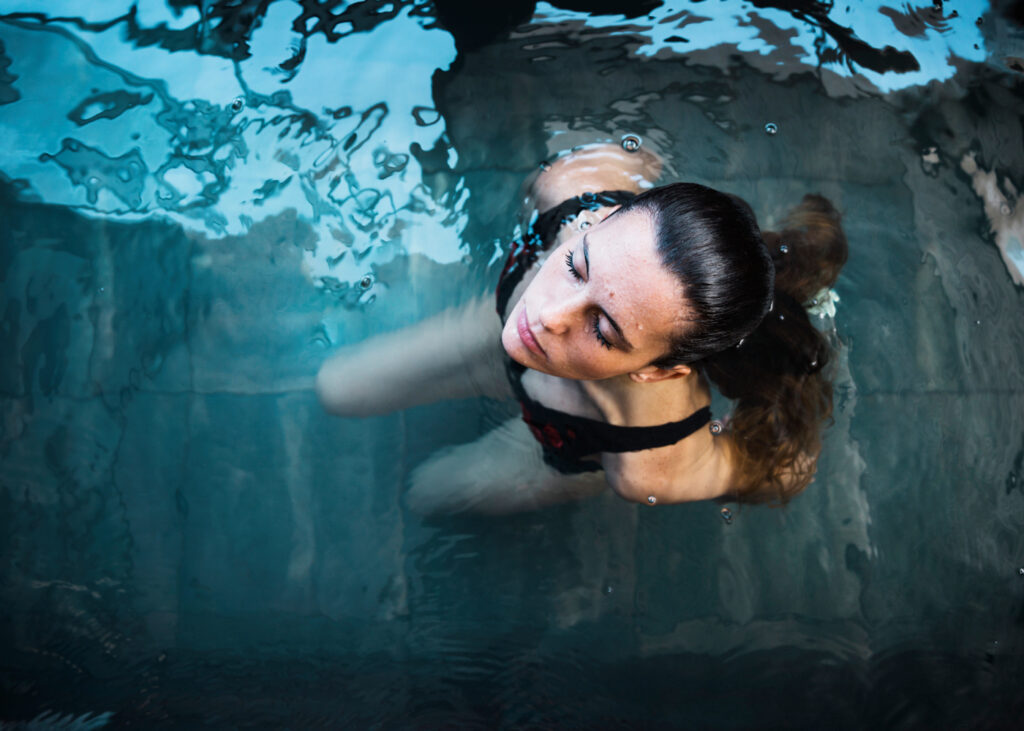
While athletes have long relied on ice baths to aid post-workout recovery, cold plunges only entered Singapore’s mainstream wellness scene around 2022. Since then, what was once a niche recovery tool has evolved into a broader wellness ritual, embraced by everyone from Hyrox competitors and marathon runners to wellness enthusiasts looking to build resilience or simply unwind after a long day.
According to Dr Zhi Wei, co-founder of House Longevity and Sauna Bath House, the appeal boils down to several factors, with one standing out above the rest: the almost immediate effects people experience.
“Cold exposure creates a noticeable shift almost instantly. People are increasingly drawn to experiences that feel tangible and impactful, and cold plunges genuinely deliver that sensation.”
But that immediate jolt isn’t just in your head. The moment you step into near-freezing water, your body enters what’s known as a cold shock response. Your breathing quickens, your heart rate rises, and every instinct tells you to climb straight back out.
“This is your body’s fight-or-flight response kicking in,” explains Dr Zhi Wei. “Once the body realises it’s safe, the nervous system rebounds strongly in the opposite direction, activating the calming, rest-and-recover side.”
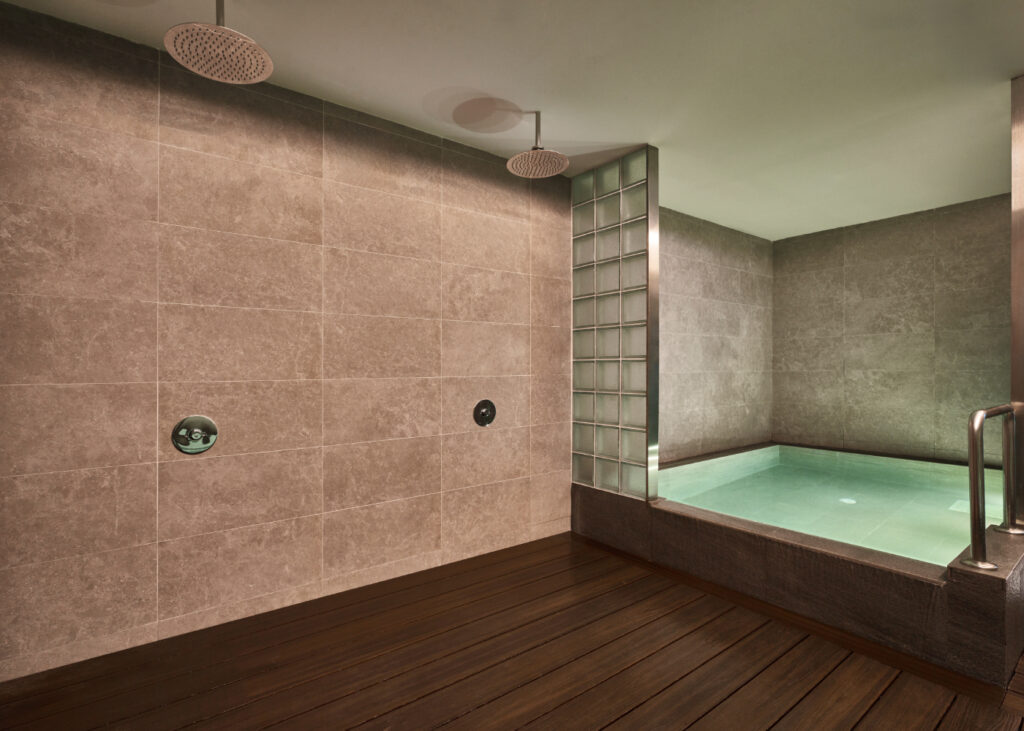
This shift is also linked to the release of chemicals such as noradrenaline and dopamine, which may explain why so many people describe feeling more alert, focused, and energised after a plunge. Still, the science only tells part of the story.
I remember the first time I tried an ice bath in Singapore. I lingered at the edge of the tub far longer than I’d like to admit, mentally negotiating with myself before finally stepping in. Once submerged, I spent the entire time watching the countdown clock, convinced every second had to count. I lasted all of 10 seconds before scrambling out, but surprisingly, that wasn’t the end of it. I found myself coming back a few more times, curious to see whether the experience would get any easier.
Like many first-timers, I wasn’t convinced I’d ever willingly do it again. Yet I did. And that raises the bigger question: if the first few seconds are so uncomfortable, what is it about ice baths that keeps people coming back?
The health benefits of ice baths
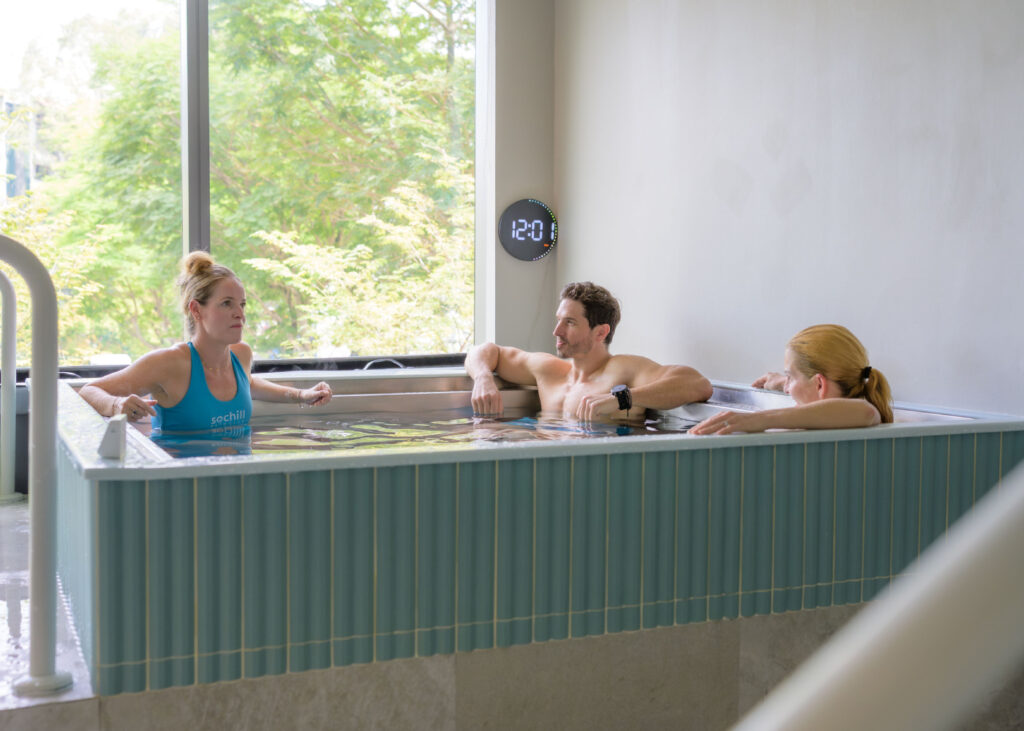
Rebecca Assice, co-founder of Sochill Bath Club, believes people keep returning to cold plunges because of the mental clarity and dopamine boost they experience afterwards. She points to research suggesting a single cold plunge can increase dopamine levels by around 250%.
“That’s not a quick spike like a double espresso gives you – it’s a sustained release that carries through your day,” she elucidates. “Once people experience that, they’re not coming back for muscle recovery. They’re coming back for that feeling.”
The more time I spent cold plunging, the more I noticed it wasn’t just my tolerance for the cold that grew. I became less preoccupied with the countdown timer and more focused on my breathing, something I’d rarely paid attention to in everyday life.
What surprised me most was that the cold itself wasn’t the biggest challenge. It was resisting the instinct to tense up and escape. The moment I stopped fighting the experience, the plunge became noticeably more manageable.
Of course, chasing that feeling doesn’t mean pushing your limits every session. Dr Zhi Wei cautions against assuming that colder temperatures or longer exposure to ice baths automatically lead to greater benefits.
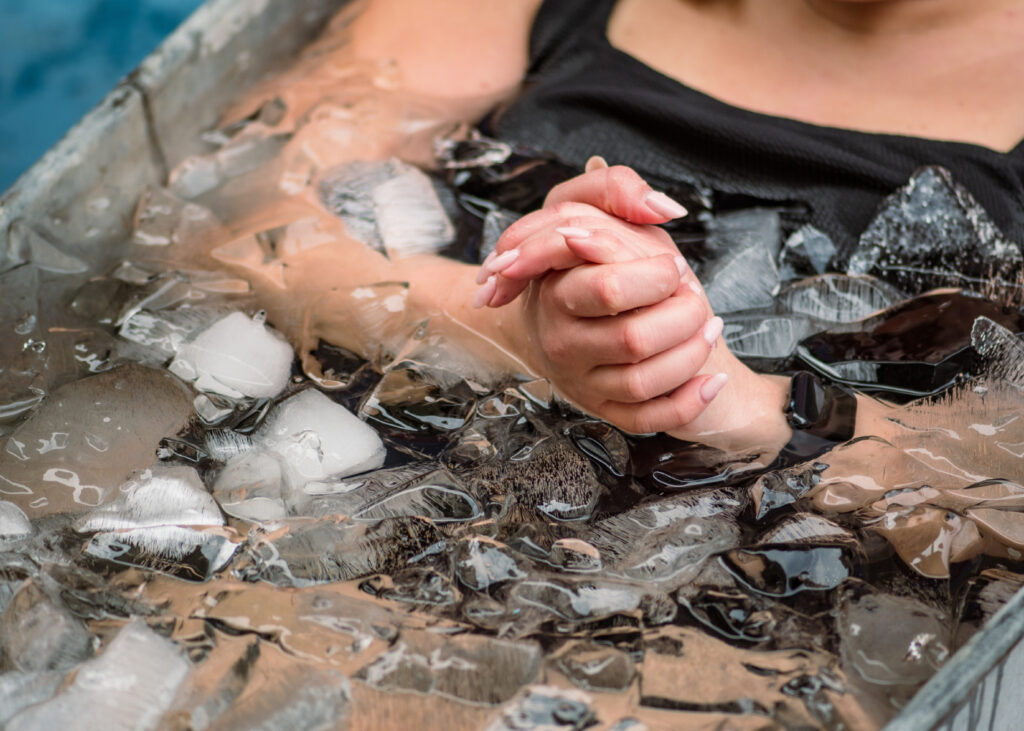
“Many people assume colder and longer sessions automatically mean better results, when in reality, consistency matters far more than intensity. You do not need extreme temperatures to achieve a meaningful physiological response.”
While many people associate ice baths with post-workout recovery, that’s only part of the picture. Research suggests cold-water immersion may help reduce muscle soreness after intense exercise, while many participants also report feeling more alert, focused and energised immediately afterwards. However, broader claims around immunity, longevity and metabolism are still being studied, with evidence remaining mixed.
Rebecca has also observed a shift in who is embracing cold plunges. Once largely associated with athletes and male fitness enthusiasts, the practice has become increasingly popular among women, something she attributes in part to studios creating spaces that feel more welcoming and better tailored to their needs.
“Guys started bringing their partners and female friends along. Those women tried it, felt the difference, and got completely hooked themselves. Word spreads fast when something makes you feel that good.”
She adds: “For so long, the research, protocols and marketing were built around the male body. When you create a space that actually speaks to women’s physiology and experience, the response is immediate.”
Before you take the plunge
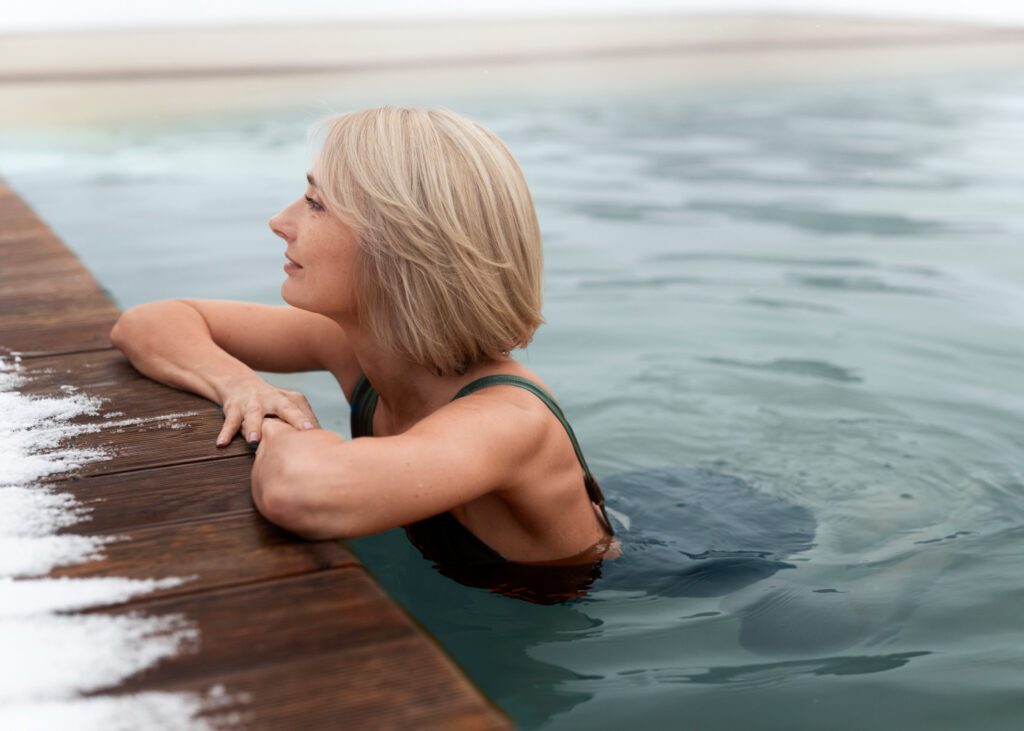
The idea of putting yourself through single-digit temperatures doesn’t sound like fun. But if you’re seriously considering an ice bath in Singapore, there are a few things to know beforehand.
Firstly, don’t plan on how long you intend to stay in the cold plunge. Rebecca suggests committing up to 15 seconds in your first attempt.
“If you can do 15 seconds — and you absolutely can — your brain immediately recalibrates. Next time, you’ll go 30 seconds without even thinking about it,” she enthuses.
Secondly, whether you go alone or with friends can shape the experience. I’ve done my cold plunges solo for the most part, and while I appreciate the solitude, having company means those first few seconds feel less daunting. There’s a certain camaraderie that comes from enduring the cold together.
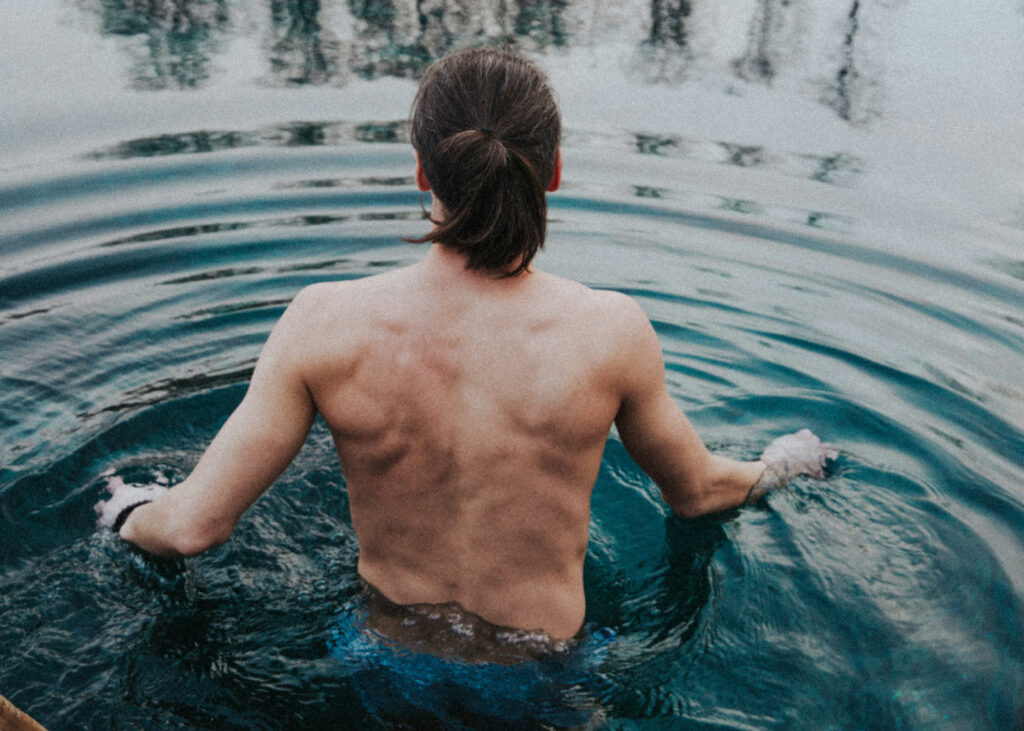
Rebecca agrees, adding that having someone makes the time go by faster. “You’re so focused on the conversation that you stay in longer than you ever would have solo. It’s one of those rare situations where being distracted actually works in your favour.”
Dr Zhi Wei advises certain groups of people to be cautious if they’re trying ice baths for the first time. These include people with heart conditions, pregnant women, those who are acutely unwell or running a fever, and folks who are severely overtrained, sleep-deprived, or burnt out. If uncertain, consulting with a medical practitioner is the best option.
Ultimately, the goal isn’t to see how long you can endure the cold – but to approach the experience with realistic expectations. Consistency, comfort, and listening to your body matter far more than trying to set a personal record.
Should you give it a try?
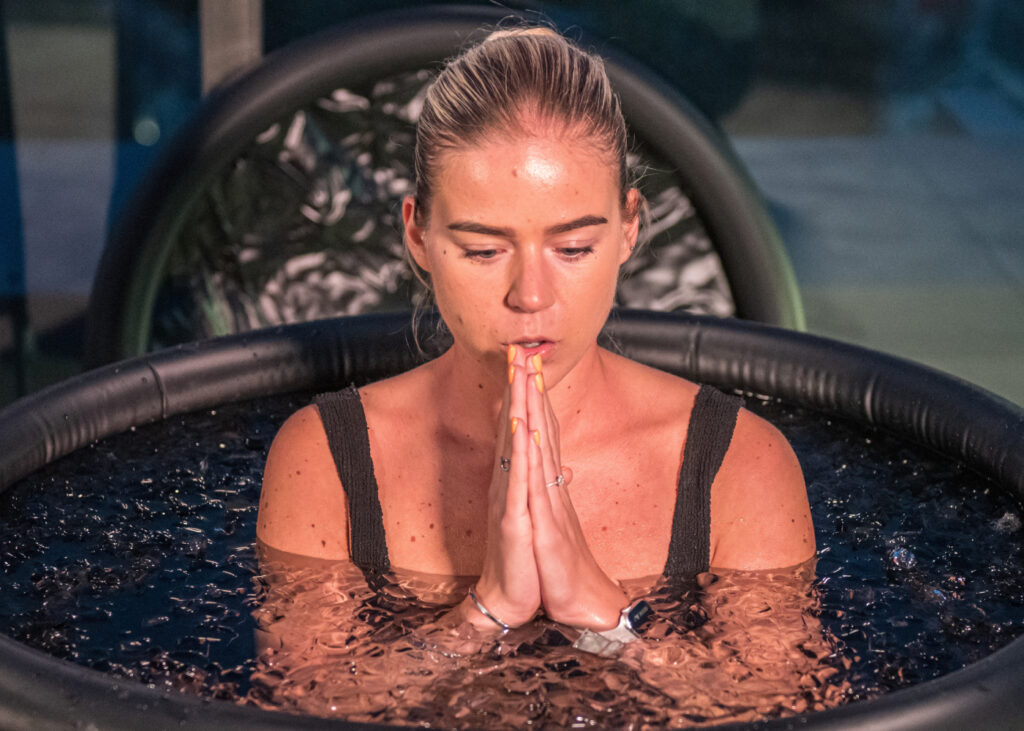
So, do the benefits of ice baths live up to the hype? That depends on what you’re looking for. If you’re expecting a miracle cure or shortcut to better health, you may be disappointed.
But if you’re curious about challenging yourself, discovering a different way to recover, or simply seeing what all the fuss is about, a cold plunge might be worth experiencing at least once.
Of course, not everyone will come away converted, and that’s okay too. Like any wellness practice, ice baths aren’t for everyone.
“Now people understand it’s not about being hardcore. It’s about recovery, resilience, and feeling good in your own body. That’s something everyone wants,” Rebecca notes.
Perhaps the biggest surprise is that ice baths aren’t really about the cold. They’re about what happens once you stop fighting it. Whether it’s the mental reset, the sense of accomplishment, or simply sharing the experience with friends, it’s easy to see why more Singaporeans are taking the plunge, even if they grimace every single time.
Frequently Asked Questions
What are the proven benefits of ice baths?
The most heavily documented benefits relate to mental clarity and perceived muscle recovery. Submerging yourself in cold water (around 14°C) triggers a massive surge of norepinephrine and spikes baseline dopamine levels by up to 250%. This results in a long-lasting, highly alert, and uplifted mood that lingers for hours after you dry off.
Large-scale sports medicine reviews confirm that cold plunging significantly reduces Delayed Onset Muscle Soreness (DOMS) and decreases markers of muscle damage after high-intensity training. Plus, exposing your body to extreme cold activates brown fat (a type of fat tissue that burns energy to generate heat), temporarily increasing your metabolic rate.
Does it actually boost the immune system and burn fat?
While it does activate brown fat and cause a temporary spike in metabolism, the absolute calorie burn per session is relatively low. It is a helpful wellness supplement, not a shortcut for weight loss.
Claims that ice baths turn you into a superhero who never catches a cold are overhyped. Studies show that while regular cold exposure correlates with fewer self-reported sick days from work (by roughly 29%), it doesn't immediately "strengthen" immune cells on impact.
Is it true that ice baths can hurt muscle growth?
Yes. If your primary goal is building raw muscle size (hypertrophy) or maximum strength, avoid ice baths within four to six hours of weightlifting. The cold blunts the natural acute inflammatory response your muscles need to adapt, rebuild, and grow bigger. Save the ice for endurance weeks, high-intensity cardio, or game-day recovery.
What is the ideal temperature for an ice bath?
You don't need to jump into a frozen lake to get the benefits. The clinical "sweet spot" for recovery and mental clarity is 10°C to 15°C.
How long should I stay inside?
More is not better. The benefits begin to plateau around the three-minute mark, and staying in too long drastically increases your risk of hypothermia. Aim for two to five minutes per session.
The general scientific consensus for a meaningful metabolic and mood boost is a total of 11 minutes per week, broken up across three to four sessions.
What is “cold shock” and is it dangerous?
When your skin hits freezing water, your body undergoes an involuntary reflex called cold shock. This causes an immediate, rapid spike in heart rate and blood pressure, alongside an involuntary gasp for air. If you panic or submerge your head immediately, that involuntary gasp can cause you to inhale water.
Who should absolutely avoid ice baths?
Because of the immense stress cold shock puts on the cardiovascular system, you should never cold plunge without explicit medical clearance if you have high blood pressure or heart disease, circulatory issues or Raynaud’s syndrome, or epilepsy. Always consult a doctor rather than relying on social media trends.
Important Notice: This article is for general information and should not be considered medical advice. While we strive for accuracy, medical conditions vary, and the treatments mentioned may not suit everyone. Consult a qualified healthcare professional for personalised medical guidance.