If we’re living in a peak wellness era, why is women’s health still in the Dark Ages?

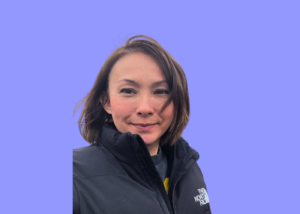
I missed my period for three months earlier this year. My first reaction was pure panic – surely I couldn’t be pregnant again, not at 47 years old. With one child newly minted as a teenager and another set to take his PSLE next year, the idea of another pregnancy – especially with my history of high-risk pregnancies – was unsettling to say the least.
Still, I did what most women do when they miss a period and took a home pregnancy test. Well, three to be exact. They all came back negative. Suffice to say, I was immensely relieved.
Then the sweating started. This was highly unusual for me; I’m usually terribly afraid of the cold. (I’ve been known to use a portable heater, a hot water bottle and a puffer jacket in the office). Suddenly, I was perspiring in a movie theatre and waking up five times at night drenched in sweat. I was sleep-deprived, fatigued and had mush for a brain.
I suspected I was in perimenopause and went to see a specialist to ask about getting blood tests or hormone pills. The doctor said those were not recommended unless in severe cases. “It does seem like you may be in perimenopause,” she told me. “But if you’re worried about being pregnant, you can continue testing each month for peace of mind.”
I left the clinic feeling quite silly for spending an entire morning waiting to see the specialist, only to be told what I already suspected. At the same time, I also realised how little I actually knew about what was happening to my perimenopausal body beyond the clichés of hot flushes and mood swings. After going down the Google rabbit hole, I now know that menopause can increase risks for osteoporosis, heart disease, Alzheimer’s disease and autoimmune conditions. Yikes.
It seems I’m not alone in this struggle for answers. Even women who are otherwise confident and well-informed can feel at sea when it comes to their own bodies.
Take Stefanie Yuen Thio, joint managing partner of TSMP Law Corporation and chairperson of SG Her Empowerment for example. She was perimenopausal for five years, and when full menopause kicked in, it came with drastic weight gain and fatigue.
“I would be doing the same exercises and eating the same amount of food but piling on the kilos. It was depressing and disempowering. Menopause has not been studied that seriously – I think it’s interesting that research into erectile dysfunction receives several times more funding than menopause, which affects many more individuals,” she said.
The wellness wild west
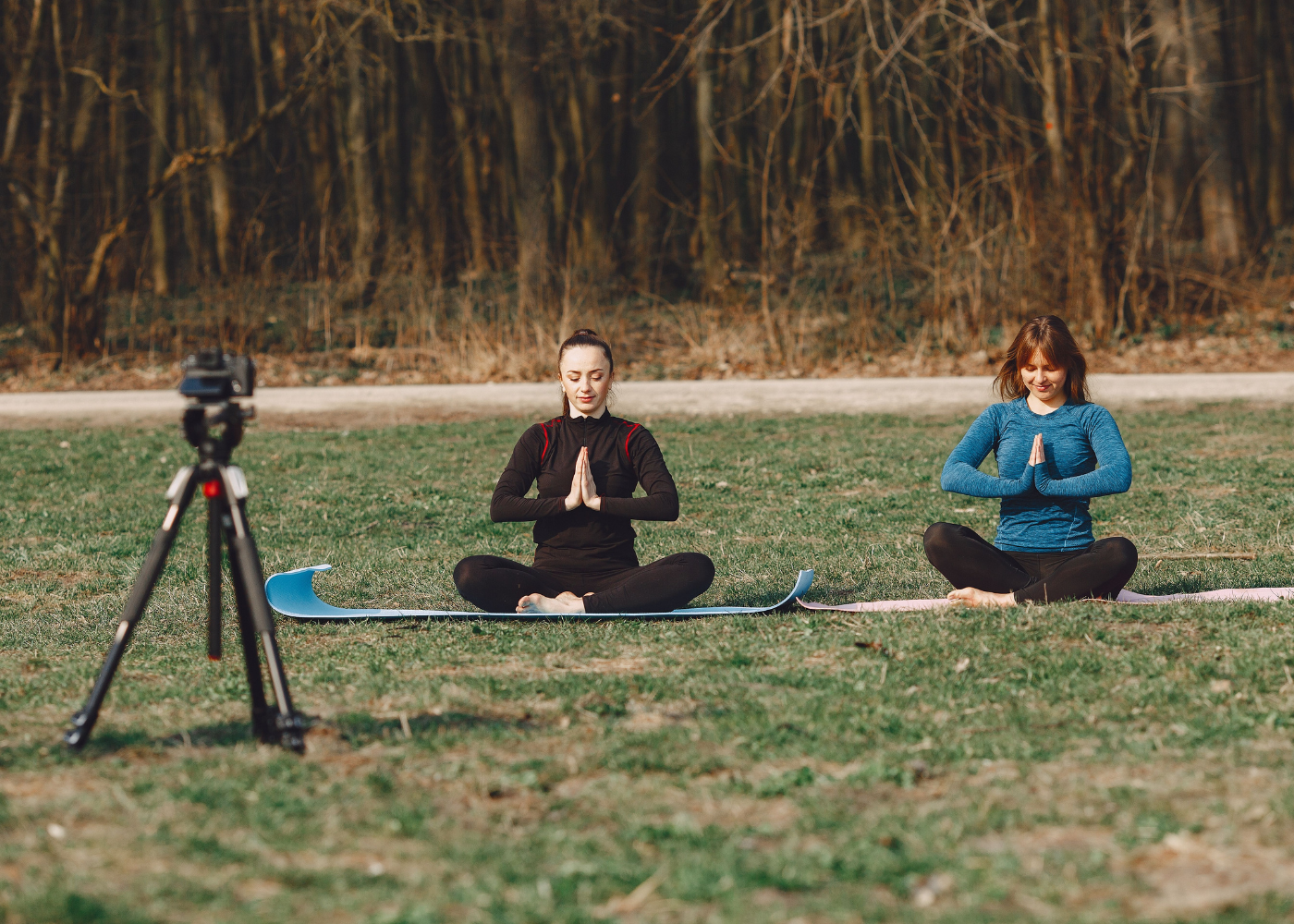
The irony in modern women’s health is that while we are desperate for information from our doctors, our social media feeds are chock-a-block full of hormone hacks, personal anecdotes and docfluencers offering “expert” advice.
And a lot of us are clicking on scrolling on the feeds intently, it seems. A 2025 study by KFF found that nearly 55 per cent of adults now turn to social media for health information and advice “at least occasionally”.
“If people feel unheard or their concerns are minimised by healthcare professionals, they will understandably look elsewhere for solutions,” said Associate Professor Sophia Archuleta, Head and Senior Consultant, Division of Infectious Diseases at the National University Hospital.
There is no doubt some value in what social media offers. Conversations once considered too embarrassing for polite company are now out in the open. Take Halle Berry’s viral “I’m in menopause!” moment on Capitol Hill in May 2024. After her own misdiagnosis, she became an advocate for women’s healthcare, pushing for legislation that would put US$275 million towards research, training and public awareness around menopause.
“Social media can play a genuinely positive role in raising awareness about women’s health – endometriosis is a good example,” said Dr Mariana Losada, Senior Assistant Director of International Affairs at the Global Centre for Asian Women’s Health (GloW), NUS Yong Loo Lin School of Medicine. But she cautioned that oversimplified or inaccurate content can also push women towards decisions based on half-baked information, ultimately doing more harm than good.
Personally, for me – perhaps because I’m a bit of an old fart and roll my eyes at Tiktokers who claim to have a “miracle cure” for this or that – I find myself constantly questioning if the content I see is driven by genuine advocacy or by advertising dollars or for “likes”. Researchers seem to share my concern: An analysis of almost 1,000 influencer posts about medical tests in a University of Sydney-led study found most were promotional and “overwhelmingly” misleading.
“The confident influencer with perfect lighting and a simple narrative can easily sound more convincing than a clinician who is honest about uncertainty and says ‘it depends’, which is how people drift from evidence‑based care towards celery‑juice cures, extreme detoxes, or DIY hormone stacks that may interact with medications or mask serious symptoms,” said Dr Daniel Mahadzir, Global Health Innovation Lead at the SingHealth Duke-NUS Global Health Institute.
For many women, especially those juggling work, children and ageing parents, the appeal of quick fixes is understandable. So perhaps what we need isn’t less information but better filters and governance, suggests Dr Mahadzir. One where creators cite real data, where public health institutions show up in our feeds in relatable ways (read “non-boring”) and where the phrase “what is the evidence behind this?” becomes the norm.
The question then becomes what to do with all that information. Assoc Prof Archuleta suggests using social media as a starting point for questions, then seeking verification from a clinician who takes your symptoms seriously.
Why is women’s health so misunderstood?
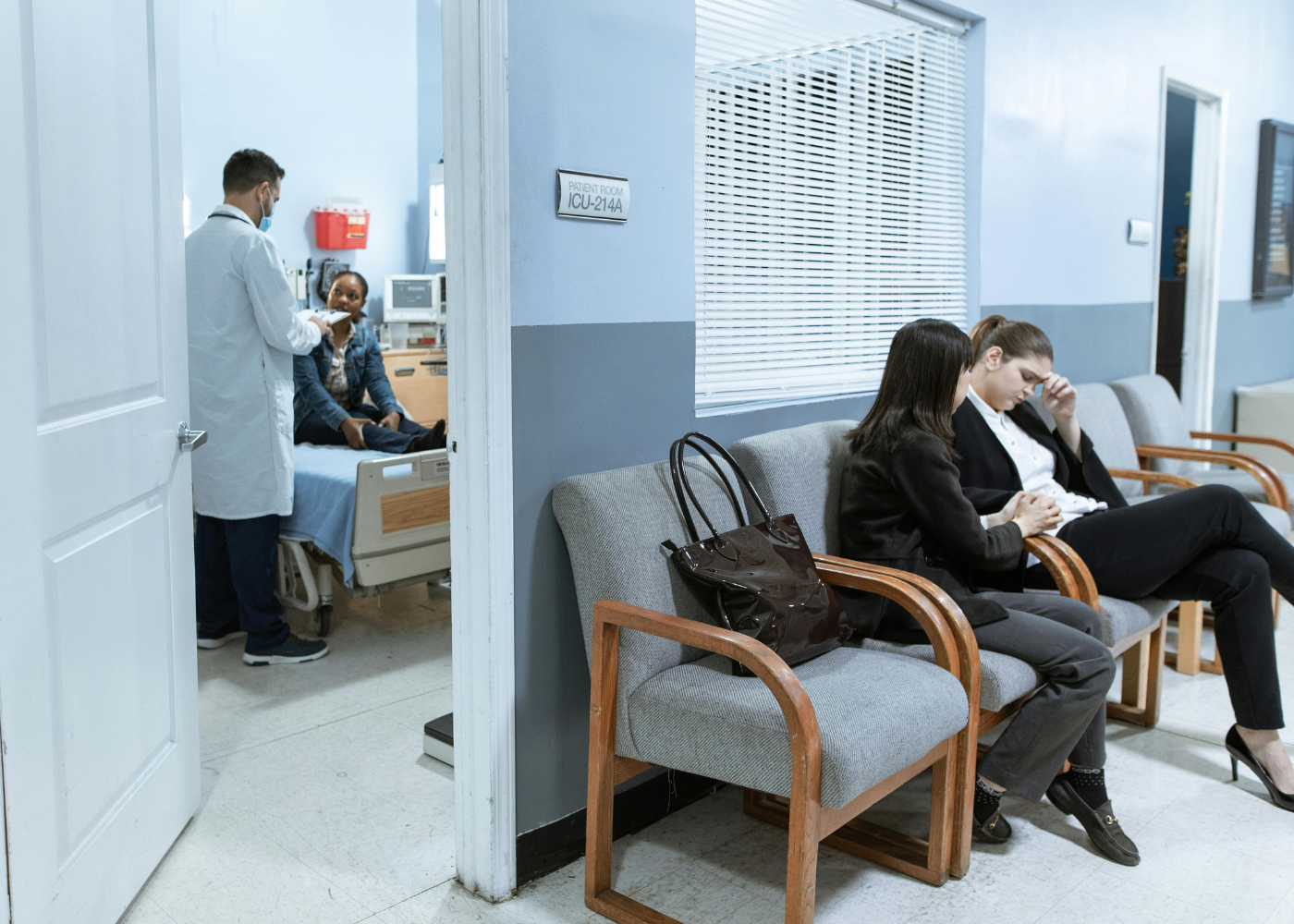
Much of modern medicine, experts told me, still fits women imperfectly because it was not originally designed around us. For decades, the male body was considered the default in research; it wasn’t until 1993 that the US mandated women be included in clinical trials.
As a result, everything from how much drugs we are given to the way our symptoms are recognised were built primarily on male physiology.
“In many areas we are, in practice, still delivering what you might call ‘hand‑me‑down’ medicine to women,” said Dr Mahadzir.
Even now, women are still under-represented in research. Despite making up half the population, women account for only about 41 per cent of clinical trial participants, recent studies in the US and in Singapore show.
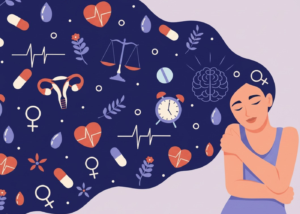
This matters because our genetics and hormones mean we don’t just experience life differently; the way we feel when we are sick, and the side effects we get with medication are different too. Add in pregnancy, postpartum recovery and menopause and you get major physiological shifts that can affect musculoskeletal health, sleep, metabolism, cardiovascular health and immune function.
And because the majority of research funding and grants have historically flowed toward male scientists, noted Dr Losada, there is an inherent gender bias in the kind of questions that are asked.
“Many medical professionals were simply not trained to recognise how conditions present differently in women,” she said.
Take pain, for example. Raise your hand if you, or someone you know, suffers from debilitating period cramps. Raise your other hand if you’ve been told it’s “normal” or gotten a side-eye from schoolmates or colleagues who think you’re exaggerating the pain? Chronic headaches and persistent neck and shoulder tension have also been normalised to the point that women stop reporting them.
My sister suffered for decades from period cramps so painful she could not even leave the bed. She also had intense back pain, fertility problems and an ectopic pregnancy before having her son via IVF. It was only recently, after seeing a spine specialist, that she was told she has endometriosis. Imagine the pain that could have been avoided if she had been told about her condition earlier.
“I see a lot of female patients whose tension headaches, jaw tightness and shoulder pain are directly correlated with hormonal phases of their cycle. They’ve often been told to ‘manage stress better’, which is frankly an incomplete answer,” said Dr Nicholas Lim, Founder of Dr Chiro. “Pain is a signal. It is never something to simply endure.”
Can Singapore close the gap?
There is still a great deal to be done, but the needle is finally moving.
Take Singapore’s first menopause management guidelines, launched in February. It was a rare admission that clinical approaches in this area “can be inconsistent”. By backing hormone therapy as a safe, effective tool for hot flushes and bone health, they’re finally helping us dismantle decades of misplaced fear.
From December, subsidised genetic testing for those at risk of Hereditary Breast and Ovarian Cancer will also be available. Selected preventive procedures, for example, mastectomies – which Angelina Jolie and Sharon Osbourne underwent – will be covered by MediShield Life and MediSave. Additionally, the health ministry is looking at how it can include bone density tests under Healthier SG to detect osteoarthritis and osteoporosis earlier.
Elsewhere, countries like France and Australia have created national plans for endometriosis. It is worth considering if Singapore should also have one, seeing as it affects about 10 per cent of women of childbearing age here, of whom one-third are unable to conceive.
Another gap to close is integration. For example, a woman navigating perimenopause might see a gynaecologist for hormones and a GP for mood issues, but find little support for the joint pain or sleep disruption. Routine appointments like mammograms and Pap smears, said Dr Lim, could become opportunities for broader conversations. Additionally, he said, it would also serve women better to have a more joined-up model, where practitioners like chiropractors, physiotherapists and nutritionists are formally part of the care pathway.
It’s been about a month since I saw the specialist. I wish I’d been more assertive and pushed harder for answers on hormone therapy and what exactly constitutes a “severe” case. Perhaps then I wouldn’t still be peeing on a stick each month.
Women’s health is so important because while we outlive men and have a life expectancy of 85.6 years in Singapore, more than 10 of those are spent in poor health. I don’t know about you, but I would be mighty annoyed if I had to spend my so-called golden years being sick or hobbling around in pain.
Important Notice: This article is for general information and should not be considered medical advice. While we strive for accuracy, medical conditions vary, and the treatments mentioned may not suit everyone. Consult a qualified healthcare professional for personalised medical guidance.